| Nasdaq: MRNS @MarinusPharma Photo Credit: Kelly Crews Photography Ryan (center) Living with CDKL5 deficiency disorder Corporate Presentation August 2024 |

| ©2024 Marinus Pharmaceuticals. All Rights Reserved I To the extent that statements contained in this presentation are not descriptions of historical facts regarding Marinus, they are forward-looking statements reflecting the current beliefs and expectations of management made pursuant to the safe harbor provisions of the Private Securities Litigation Reform Act of 1995. Words such as “may”, “will”, “expect”, “anticipate”, “estimate”, “intend”, “believe”, and similar expressions (as well as other words or expressions referencing future events, conditions or circumstances) are intended to identify forward-looking statements. Examples of forward-looking statements contained in this presentation include, among others, statements regarding our ability to continue as a going concern; our expected revenue and expenses; our commercialization plans for ZTALMY® and clinical development plans for ganaxolone, and the expected timing thereof; the clinical development schedule and milestones; expected dosing in our clinical trials; our expected timing to begin and complete enrollment in our clinical trials; the expected trial design, target patient population and endpoints for our clinical trials; interpretation of scientific basis for ganaxolone use; timing for availability and release of data; the potential safety and efficacy and therapeutic potential of ganaxolone; timing and expectations regarding the potential benefits ZTALMY will provide for patients and physicians; timing and expectations regarding regulatory communications and submissions; expectations regarding our agreement with BARDA; expectations regarding our current and contemplated collaborations with ex-US partners, including the potential benefits and timing thereof; expectations regarding the potential market opportunities for our product candidates; expectations regarding patient populations; expectations regarding potential commercial alliances; expectations regarding our cash flow, cash projections and cash runway; expectations regarding the continued uptake of ZTALMY; expectations regarding the impact of on-going scientific and clinical research investments on our product candidates; expectations regarding operating margins; plans for commercial investments; plans to leverage existing our infrastructure and knowledge; our plans for the global access program and the expected benefits and timing thereof; and our expectations regarding future opportunities of oral and IV ganaxolone. Forward-looking statements in this presentation involve substantial risks and uncertainties that could cause our clinical development programs, future results, performance or achievements to differ significantly from those expressed or implied by the forward-looking statements. Such risks and uncertainties include, among others, uncertainties and delays relating to patient and physician acceptance of ZTALMY; our ability to obtain adequate market access for ZTALMY; our ability to comply with the U.S. Food and Drug Administration’s (“FDA”) requirement for additional post-market studies in the required timeframes; the timing of regulatory filings; the potential that regulatory authorities, including the FDA and the European Medicines Agency (“EMA”), may not grant or may delay approval for our product candidates; uncertainties and delays relating to the design, enrollment, completion, and results of clinical trials; unanticipated costs and expenses; early clinical trials may not be indicative of the results in later clinical trials; clinical trial results may not support regulatory approval or further development in a specified indication or at all; actions or advice of the FDA or EMA may affect the design, initiation, timing, continuation and/or progress of clinical trials or result in the need for additional clinical trials; our ability to obtain and maintain regulatory approval for our product candidates; our ability to obtain, maintain, protect and defend intellectual property for our product candidates; the potential negative impact of third party patents on our collaborators’ or our ability to commercialize ganaxolone; delays, interruptions or failures in the manufacture and supply of our product candidates; the size and growth potential of the markets for our product candidates, and our ability to service those markets; our cash and cash equivalents may not be sufficient to support our operating plan for as long as anticipated; our expectations, projections and estimates regarding expenses, future revenue, capital requirements, and the availability of and the need for additional financing; our ability to obtain additional funding to support our commercial and clinical development programs; our dependence on ex-US partners to commercialize ZTALMY outside of the US; the potential for our ex-US partners to breach our collaboration agreements or terminate the agreements; and the availability or potential availability of alternative products or treatments for conditions targeted by us that could affect the availability or commercial potential of our product candidates. Marinus undertakes no obligation to update or revise any forward-looking statements. For a further description of the risks and uncertainties that could cause actual results to differ from those expressed in these forward-looking statements, as well as risks relating to our business in general, see filings we have made with the Securities and Exchange Commission. You may access these documents for free by visiting EDGAR on the SEC web site at www.sec.gov. Safe Harbor Statement 2 |
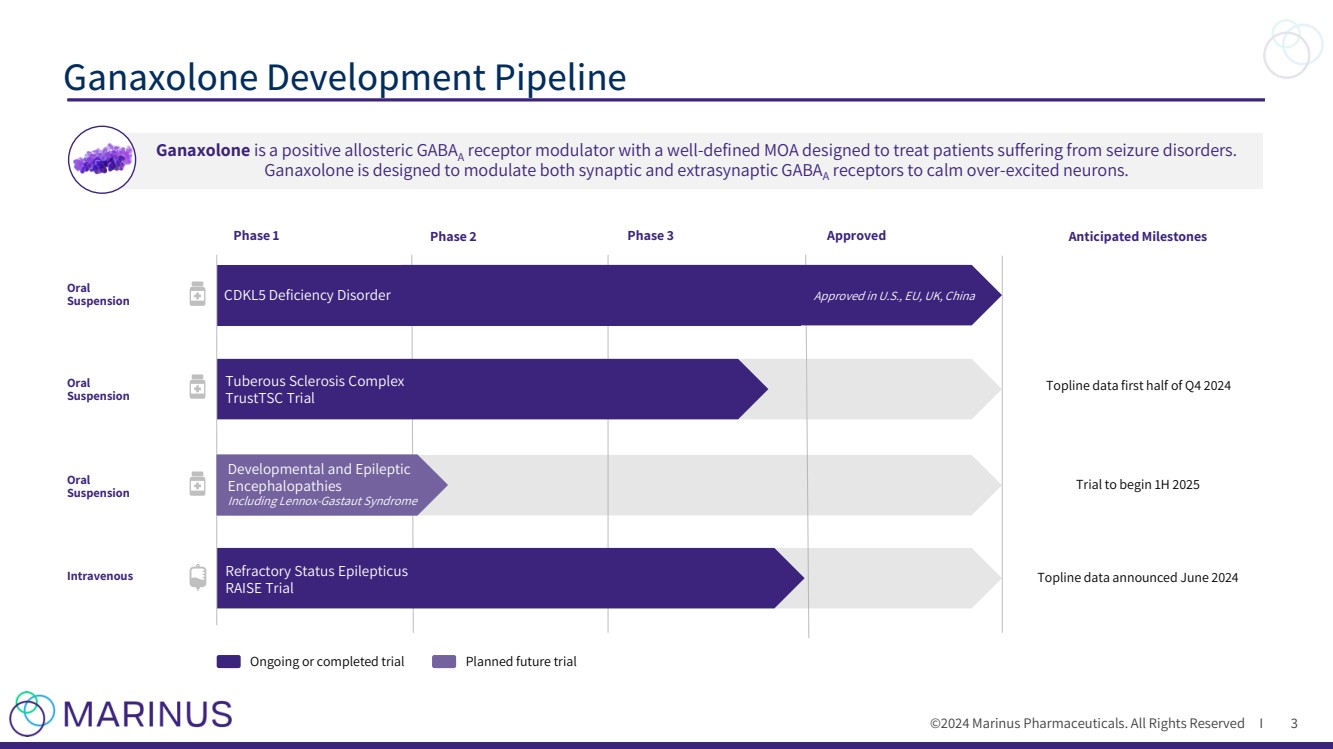
| ©2024 Marinus Pharmaceuticals. All Rights Reserved I Ganaxolone Development Pipeline 3 Ganaxolone is a positive allosteric GABAA receptor modulator with a well-defined MOA designed to treat patients suffering from seizure disorders. Ganaxolone is designed to modulate both synaptic and extrasynaptic GABAA receptors to calm over-excited neurons. Ongoing or completed trial Planned future trial PDUFA date March 2022 MAA filing validation Q4 2021 Oral Suspension Intravenous Oral Suspension CDKL5 Deficiency Disorder Approved in U.S., EU, UK, China Topline data announced June 2024 Topline data first half of Q4 2024 Refractory Status Epilepticus RAISE Trial Tuberous Sclerosis Complex TrustTSC Trial Phase 1 Phase 2 Phase 3 Approved Anticipated Milestones Trial to begin 1H 2025 Developmental and Epileptic Encephalopathies Including Lennox-Gastaut Syndrome Oral Suspension |
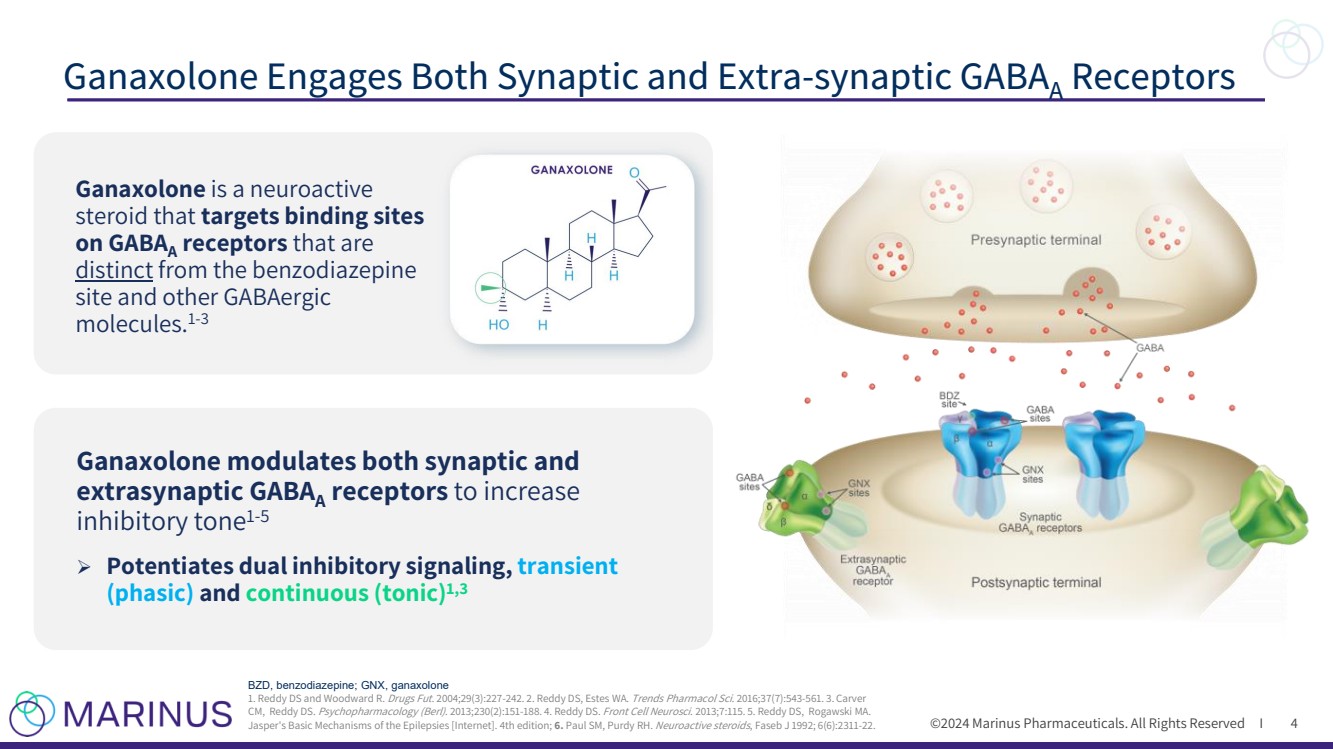
| ©2024 Marinus Pharmaceuticals. All Rights Reserved I Ganaxolone Engages Both Synaptic and Extra-synaptic GABAA Receptors 4 Ganaxolone is a neuroactive steroid that targets binding sites on GABAA receptors that are distinct from the benzodiazepine site and other GABAergic molecules.1-3 Ganaxolone modulates both synaptic and extrasynaptic GABAA receptors to increase inhibitory tone1-5 ➢ Potentiates dual inhibitory signaling, transient (phasic) and continuous (tonic)1,3 BZD, benzodiazepine; GNX, ganaxolone 1. Reddy DS and Woodward R. Drugs Fut. 2004;29(3):227-242. 2. Reddy DS, Estes WA. Trends Pharmacol Sci. 2016;37(7):543-561. 3. Carver CM, Reddy DS. Psychopharmacology (Berl). 2013;230(2):151-188. 4. Reddy DS. Front Cell Neurosci. 2013;7:115. 5. Reddy DS, Rogawski MA. Jasper's Basic Mechanisms of the Epilepsies [Internet]. 4th edition; 6. Paul SM, Purdy RH. Neuroactive steroids, Faseb J 1992; 6(6):2311-22. |
| ZTALMY® Clinical and Commercial Overview Not for promotional use |
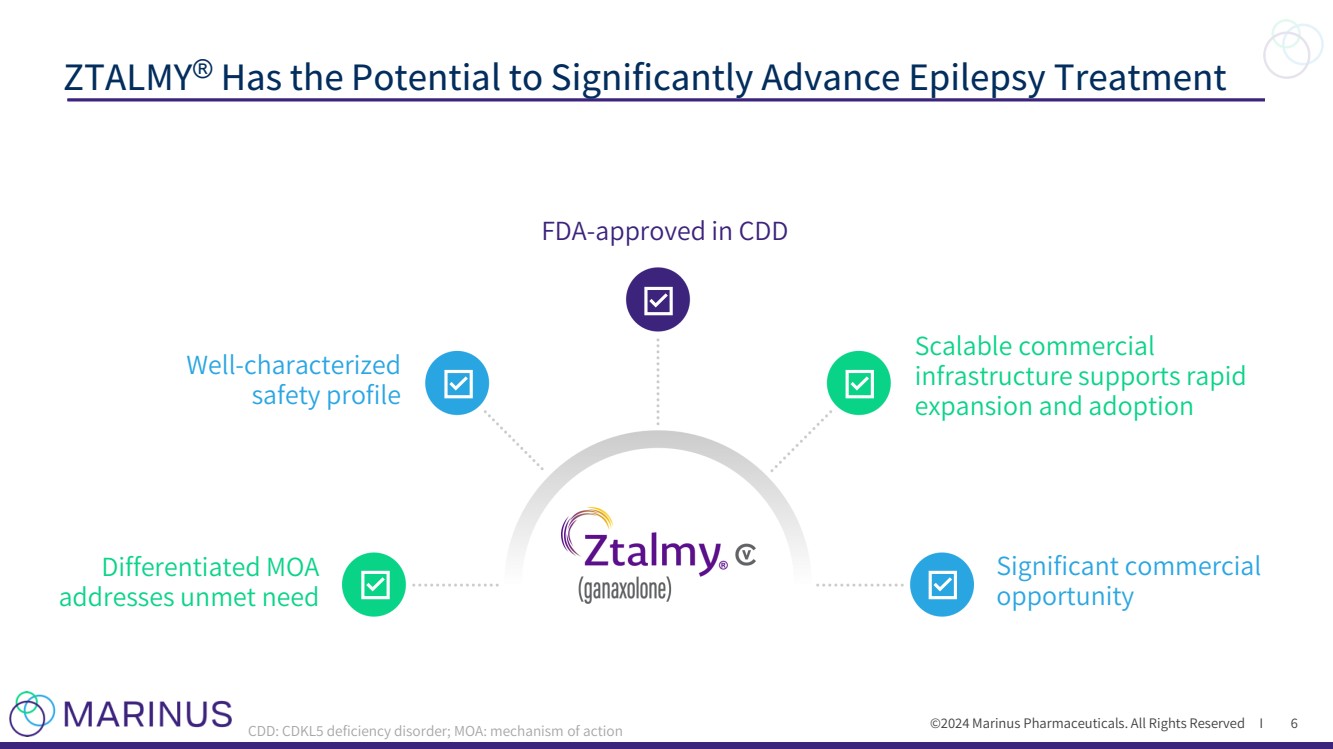
| ©2024 Marinus Pharmaceuticals. All Rights Reserved I ZTALMY® Has the Potential to Significantly Advance Epilepsy Treatment 6 Differentiated MOA addresses unmet need Well-characterized safety profile FDA-approved in CDD Scalable commercial infrastructure supports rapid expansion and adoption Significant commercial opportunity CDD: CDKL5 deficiency disorder; MOA: mechanism of action |
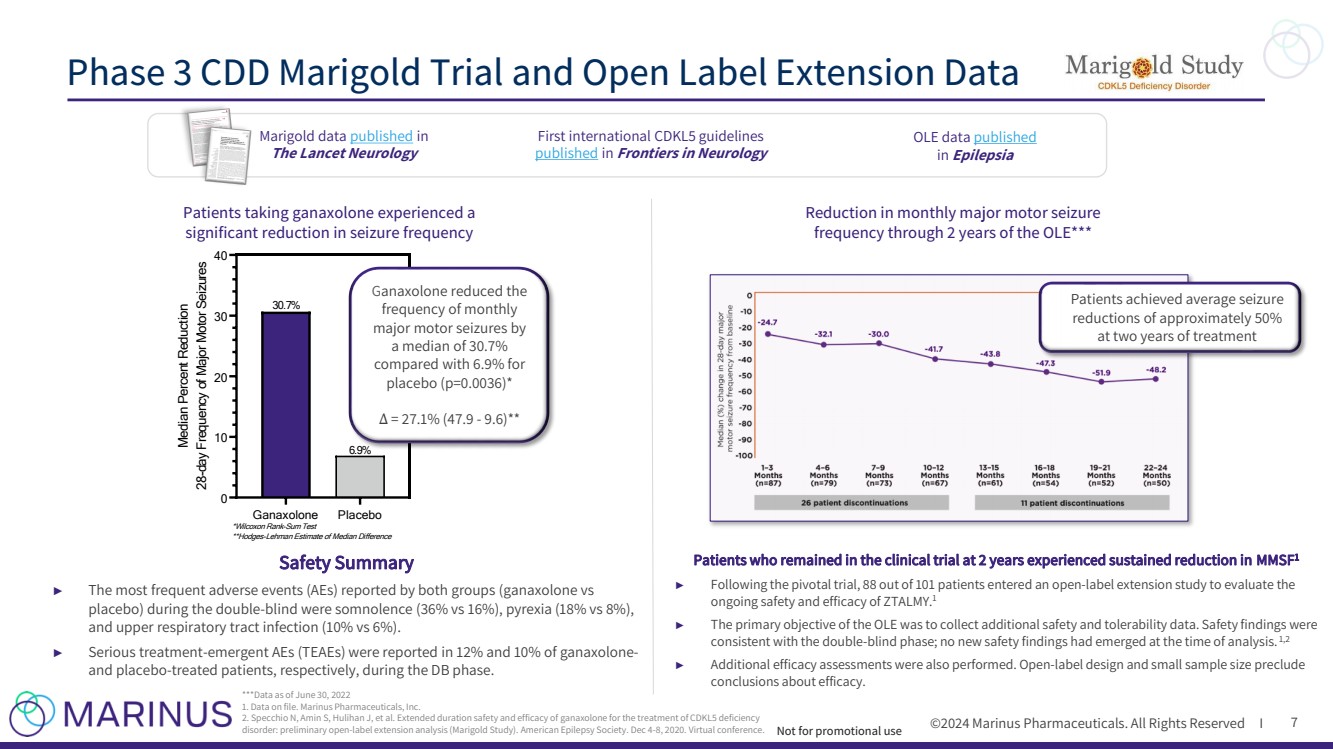
| ©2024 Marinus Pharmaceuticals. All Rights Reserved I 7 Ganaxolone Placebo 0 10 20 30 40 Median Percent Reduction 28-day Frequency of Major Motor Seizures 30.7% 6.9% *Wilcoxon Rank-Sum Test **Hodges-Lehman Estimate of Median Dif erence Patients taking ganaxolone experienced a significant reduction in seizure frequency Ganaxolone reduced the frequency of monthly major motor seizures by a median of 30.7% compared with 6.9% for placebo (p=0.0036)* Δ = 27.1% (47.9 - 9.6)** Phase 3 CDD Marigold Trial and Open Label Extension Data Not for promotional use Patients who remained in the clinical trial at 2 years experienced sustained reduction in MMSF1 ► Following the pivotal trial, 88 out of 101 patients entered an open-label extension study to evaluate the ongoing safety and efficacy of ZTALMY.1 ► The primary objective of the OLE was to collect additional safety and tolerability data. Safety findings were consistent with the double-blind phase; no new safety findings had emerged at the time of analysis. 1,2 ► Additional efficacy assessments were also performed. Open-label design and small sample size preclude conclusions about efficacy. Reduction in monthly major motor seizure frequency through 2 years of the OLE*** Patients achieved average seizure reductions of approximately 50% at two years of treatment ***Data as of June 30, 2022 1. Data on file. Marinus Pharmaceuticals, Inc. 2. Specchio N, Amin S, Hulihan J, et al. Extended duration safety and efficacy of ganaxolone for the treatment of CDKL5 deficiency disorder: preliminary open-label extension analysis (Marigold Study). American Epilepsy Society. Dec 4-8, 2020. Virtual conference. Safety Summary ► The most frequent adverse events (AEs) reported by both groups (ganaxolone vs placebo) during the double-blind were somnolence (36% vs 16%), pyrexia (18% vs 8%), and upper respiratory tract infection (10% vs 6%). ► Serious treatment-emergent AEs (TEAEs) were reported in 12% and 10% of ganaxolone-and placebo-treated patients, respectively, during the DB phase. Marigold data published in The Lancet Neurology OLE data published in Epilepsia First international CDKL5 guidelines published in Frontiers in Neurology |
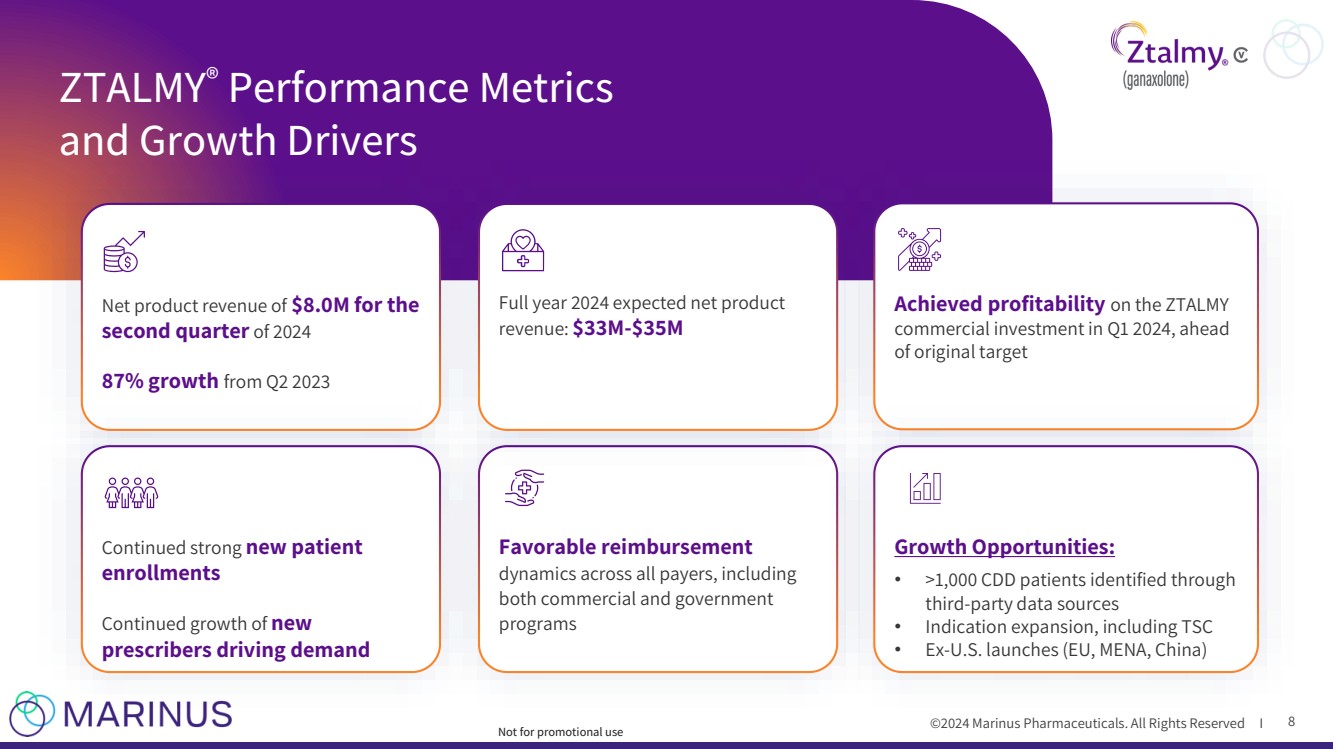
| ©2024 Marinus Pharmaceuticals. All Rights Reserved I ZTALMY® Performance Metrics and Growth Drivers 8 Net product revenue of $8.0M for the second quarter of 2024 87% growth from Q2 2023 Continued strong new patient enrollments Continued growth of new prescribers driving demand Achieved profitability on the ZTALMY commercial investment in Q1 2024, ahead of original target Favorable reimbursement dynamics across all payers, including both commercial and government programs Not for promotional use Full year 2024 expected net product revenue: $33M-$35M Growth Opportunities: • >1,000 CDD patients identified through third-party data sources • Indication expansion, including TSC • Ex-U.S. launches (EU, MENA, China) |
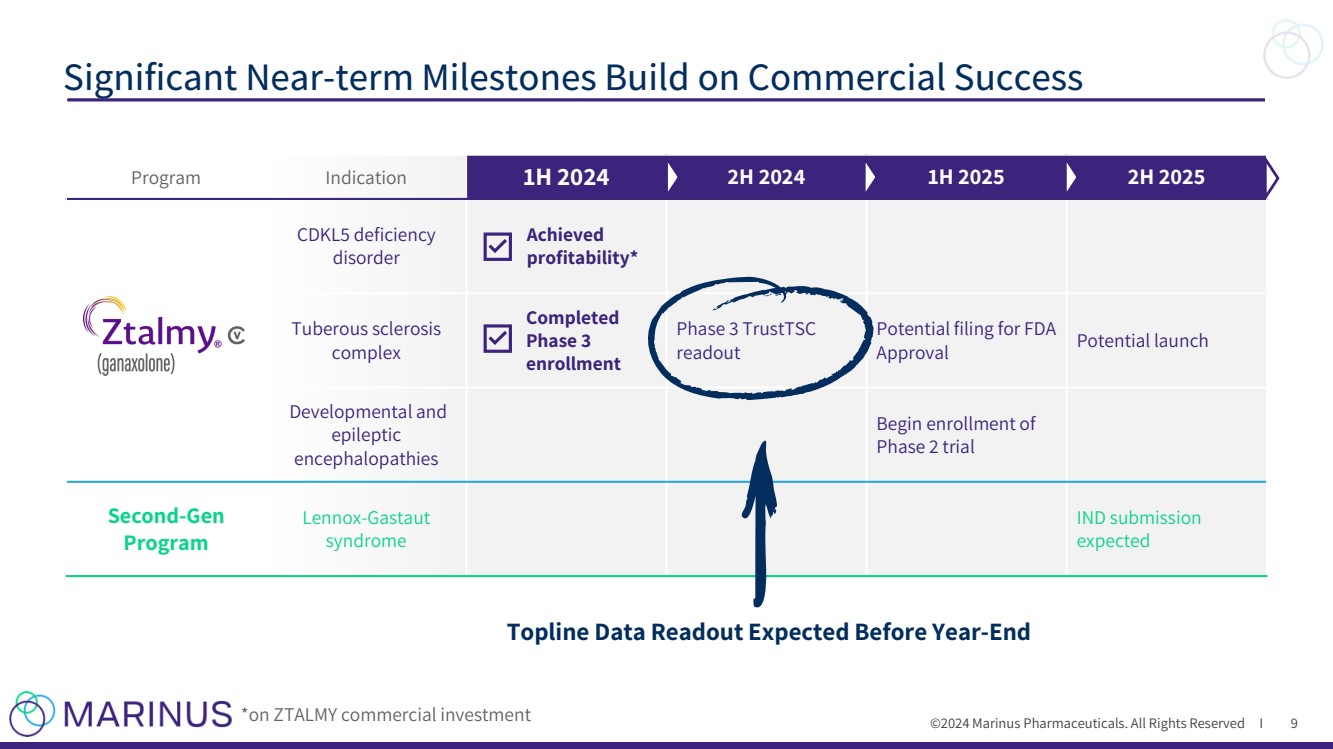
| ©2024 Marinus Pharmaceuticals. All Rights Reserved I Program Indication 1H 2024 2H 2024 1H 2025 2H 2025 CDKL5 deficiency disorder Achieved profitability* Tuberous sclerosis complex Completed Phase 3 enrollment Phase 3 TrustTSC readout Potential filing for FDA Approval Potential launch Developmental and epileptic encephalopathies Begin enrollment of Phase 2 trial Second-Gen Program Lennox-Gastaut syndrome IND submission expected Significant Near-term Milestones Build on Commercial Success 9 Topline Data Readout Expected Before Year-End *on ZTALMY commercial investment |
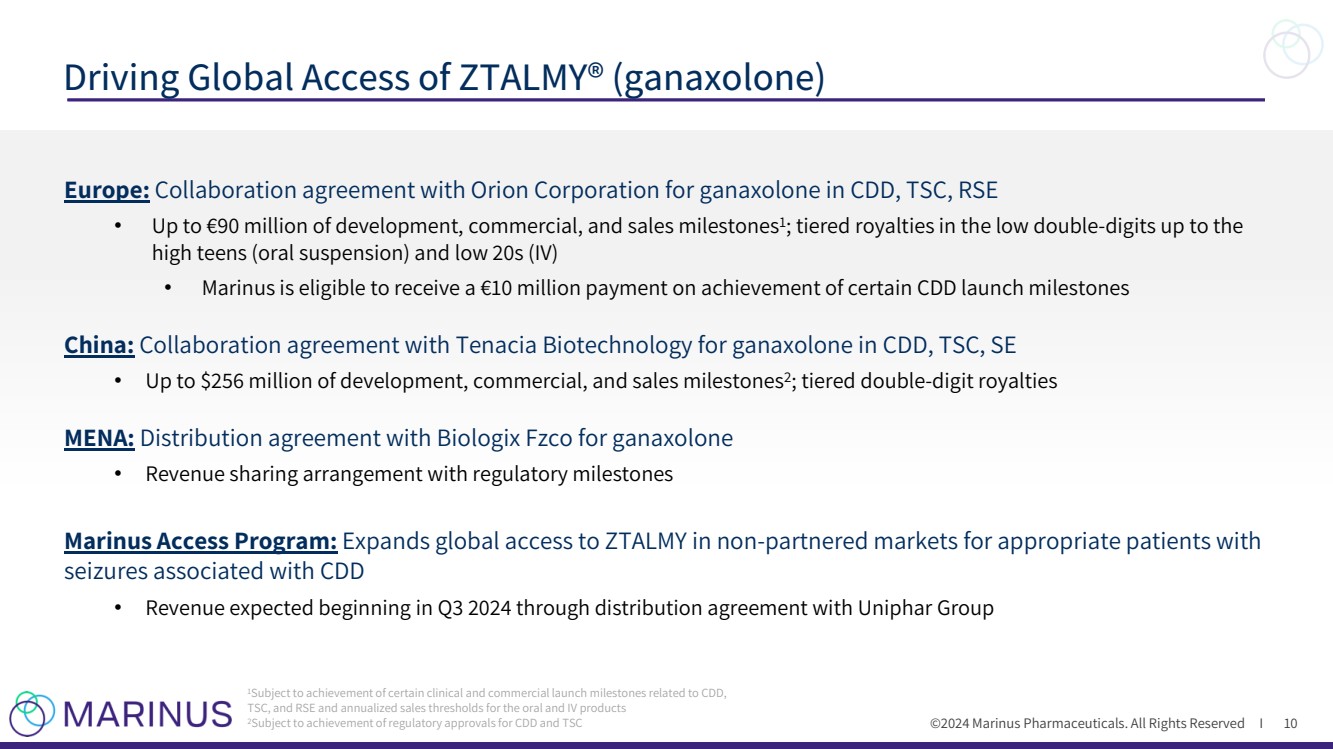
| ©2024 Marinus Pharmaceuticals. All Rights Reserved I Driving Global Access of ZTALMY® (ganaxolone) 10 Europe: Collaboration agreement with Orion Corporation for ganaxolone in CDD, TSC, RSE • Up to €90 million of development, commercial, and sales milestones1 ; tiered royalties in the low double-digits up to the high teens (oral suspension) and low 20s (IV) • Marinus is eligible to receive a €10 million payment on achievement of certain CDD launch milestones China: Collaboration agreement with Tenacia Biotechnology for ganaxolone in CDD, TSC, SE • Up to $256 million of development, commercial, and sales milestones2 ; tiered double-digit royalties MENA: Distribution agreement with Biologix Fzco for ganaxolone • Revenue sharing arrangement with regulatory milestones Marinus Access Program: Expands global access to ZTALMY in non-partnered markets for appropriate patients with seizures associated with CDD • Revenue expected beginning in Q3 2024 through distribution agreement with Uniphar Group 1Subject to achievement of certain clinical and commercial launch milestones related to CDD, TSC, and RSE and annualized sales thresholds for the oral and IV products 2Subject to achievement of regulatory approvals for CDD and TSC |
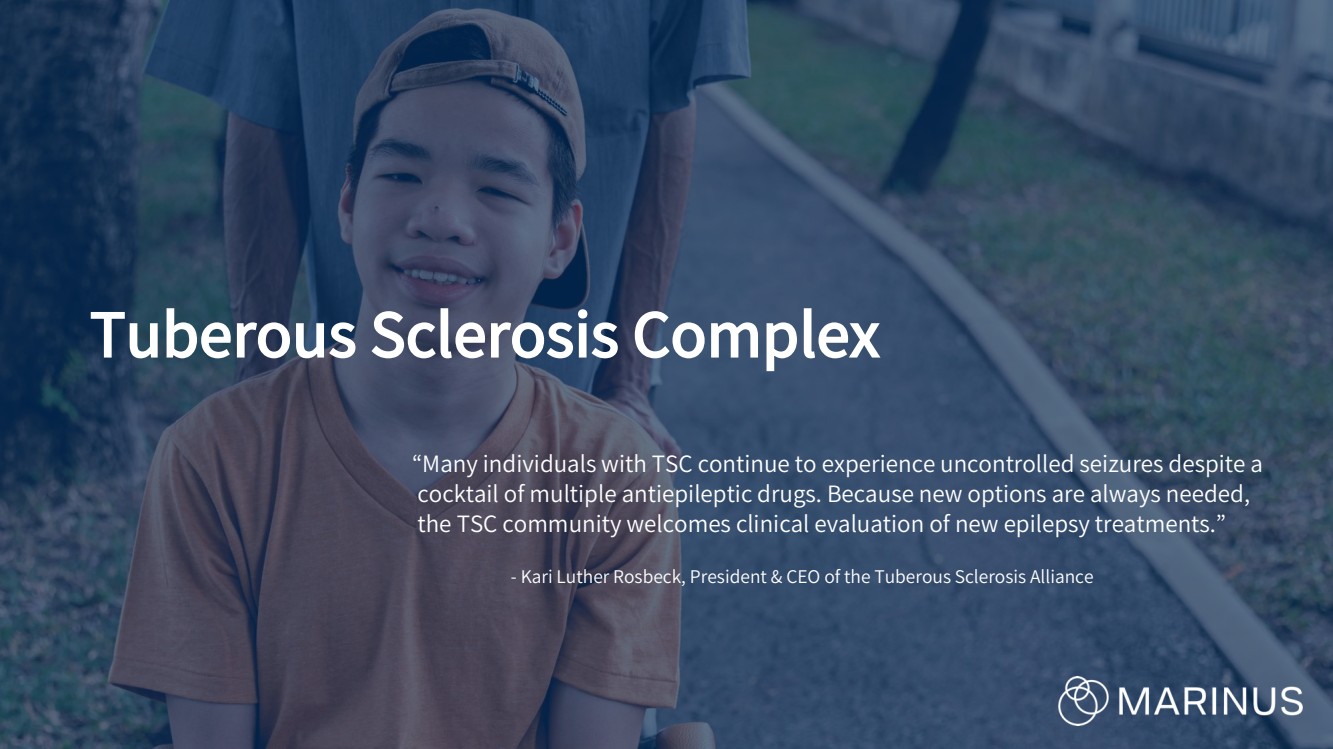
| Tuberous Sclerosis Complex “Many individuals with TSC continue to experience uncontrolled seizures despite a cocktail of multiple antiepileptic drugs. Because new options are always needed, the TSC community welcomes clinical evaluation of new epilepsy treatments.” - Kari Luther Rosbeck, President & CEO of the Tuberous Sclerosis Alliance |
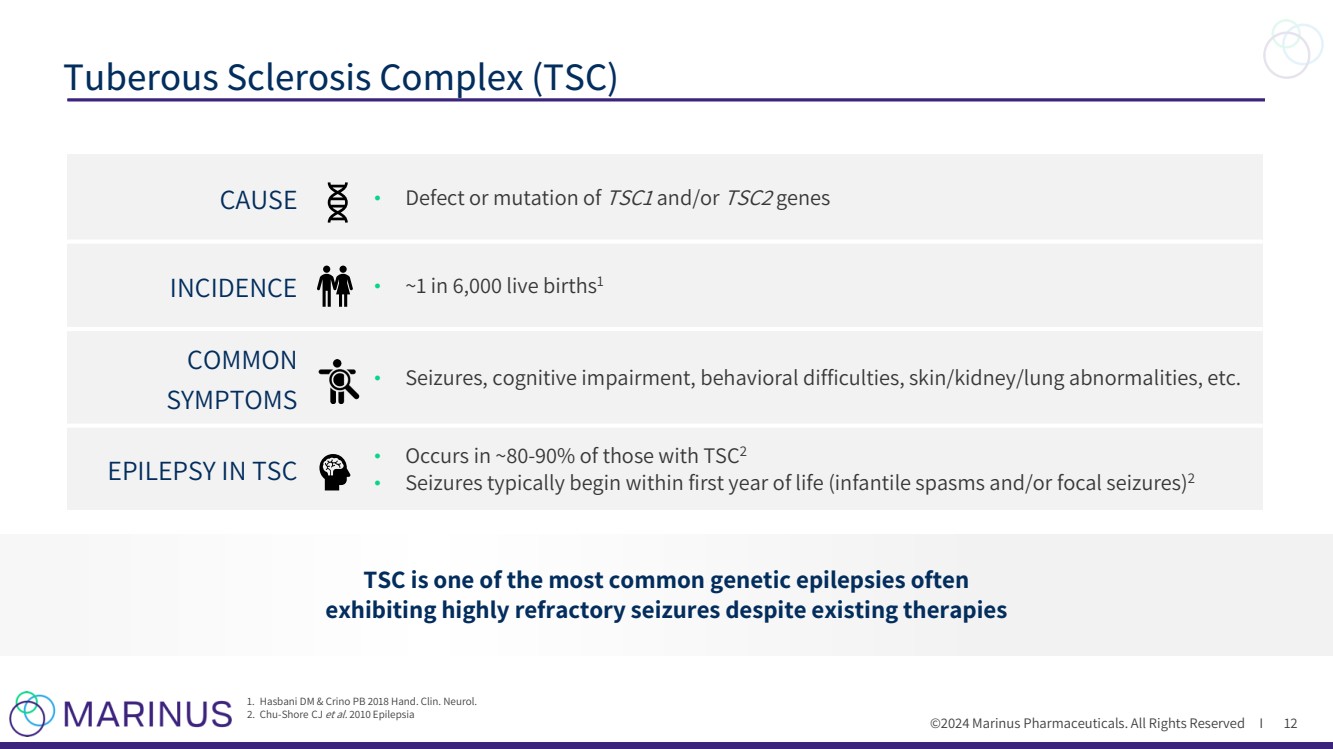
| ©2024 Marinus Pharmaceuticals. All Rights Reserved I Tuberous Sclerosis Complex (TSC) 12 CAUSE • Defect or mutation of TSC1 and/or TSC2 genes INCIDENCE • ~1 in 6,000 live births1 COMMON SYMPTOMS • Seizures, cognitive impairment, behavioral difficulties, skin/kidney/lung abnormalities, etc. EPILEPSY IN TSC • Occurs in ~80-90% of those with TSC2 • Seizures typically begin within first year of life (infantile spasms and/or focal seizures)2 1. Hasbani DM & Crino PB 2018 Hand. Clin. Neurol. 2. Chu-Shore CJ et al. 2010 Epilepsia TSC is one of the most common genetic epilepsies often exhibiting highly refractory seizures despite existing therapies |
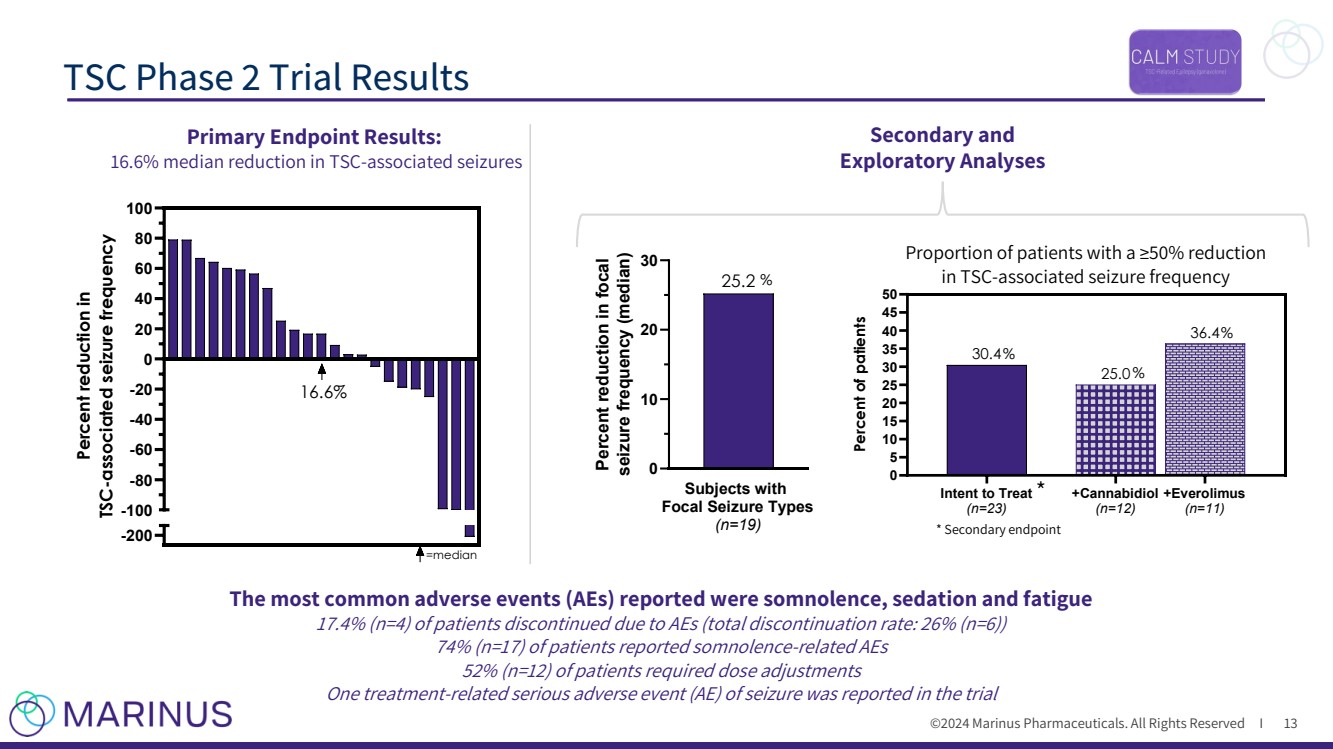
| ©2024 Marinus Pharmaceuticals. All Rights Reserved I TSC Phase 2 Trial Results 13 * -200 -100 -80 -60 -40 -20 0 20 40 60 80 100 Percent reduction in TSC-associated seizure frequency =median 16.6% Secondary and Exploratory Analyses Primary Endpoint Results: 16.6% median reduction in TSC-associated seizures The most common adverse events (AEs) reported were somnolence, sedation and fatigue 17.4% (n=4) of patients discontinued due to AEs (total discontinuation rate: 26% (n=6)) 74% (n=17) of patients reported somnolence-related AEs 52% (n=12) of patients required dose adjustments One treatment-related serious adverse event (AE) of seizure was reported in the trial * Secondary endpoint Proportion of patients with a ≥50% reduction in TSC-associated seizure frequency Intent to Treat (n=23) +Cannabidiol (n=12) +Everolimus (n=11) 0 5 10 15 20 25 30 35 40 45 50 36.4 25.0 30.4 Percent of patients % % % Subjects with Focal Seizure Types (n=19) 0 10 20 30 25.2 Percent reduction in focal seizure frequency (median) % |
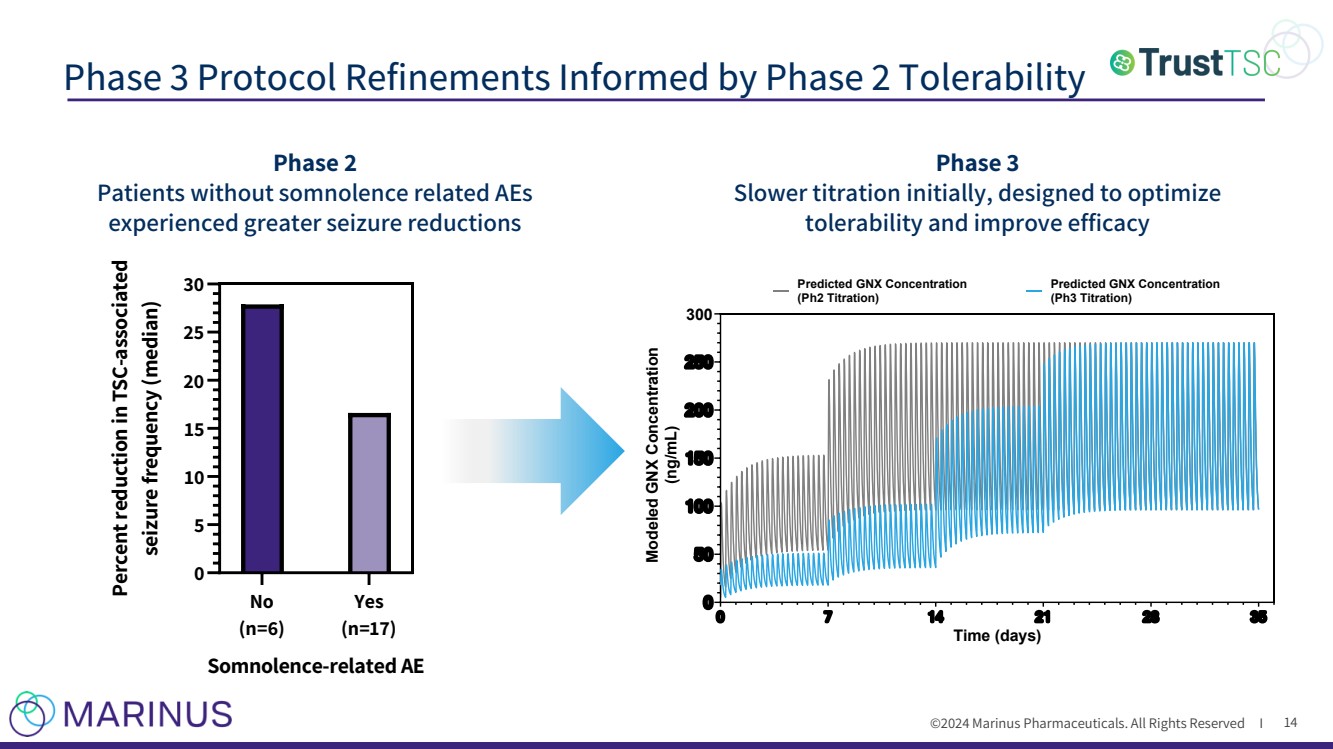
| ©2024 Marinus Pharmaceuticals. All Rights Reserved I Phase 3 Protocol Refinements Informed by Phase 2 Tolerability 14 Phase 3 Slower titration initially, designed to optimize tolerability and improve efficacy No (n=6) Yes (n=17) 0 5 10 15 20 25 30 Somnolence-related AE Percentreduction in TSC-associated seizure frequency (median) Phase 2 Patients without somnolence related AEs experienced greater seizure reductions 0 7 14 21 28 35 0 50 10 150 20 250 Time (days) Modeled GNX Concentration (ng/mL) 300 Predicted GNX Concentration (Ph2 Titration) Predicted GNX Concentration (Ph3 Titration) |
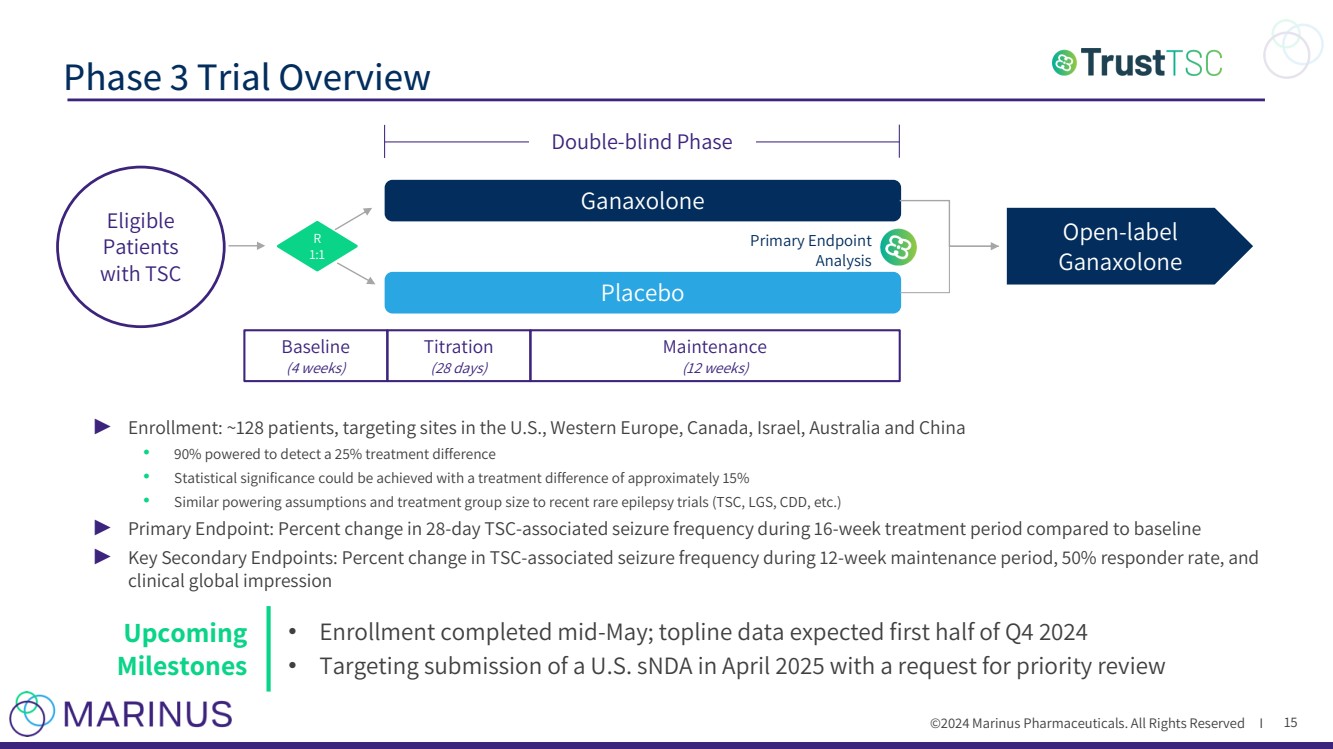
| ©2024 Marinus Pharmaceuticals. All Rights Reserved I Phase 3 Trial Overview 15 ► Enrollment: ~128 patients, targeting sites in the U.S., Western Europe, Canada, Israel, Australia and China • 90% powered to detect a 25% treatment difference • Statistical significance could be achieved with a treatment difference of approximately 15% • Similar powering assumptions and treatment group size to recent rare epilepsy trials (TSC, LGS, CDD, etc.) ► Primary Endpoint: Percent change in 28-day TSC-associated seizure frequency during 16-week treatment period compared to baseline ► Key Secondary Endpoints: Percent change in TSC-associated seizure frequency during 12-week maintenance period, 50% responder rate, and clinical global impression Ganaxolone Placebo Baseline (4 weeks) Titration (28 days) Maintenance (12 weeks) Eligible Patients with TSC R 1:1 Primary Endpoint Analysis Open-label Ganaxolone Double-blind Phase Upcoming Milestones • Enrollment completed mid-May; topline data expected first half of Q4 2024 • Targeting submission of a U.S. sNDA in April 2025 with a request for priority review |
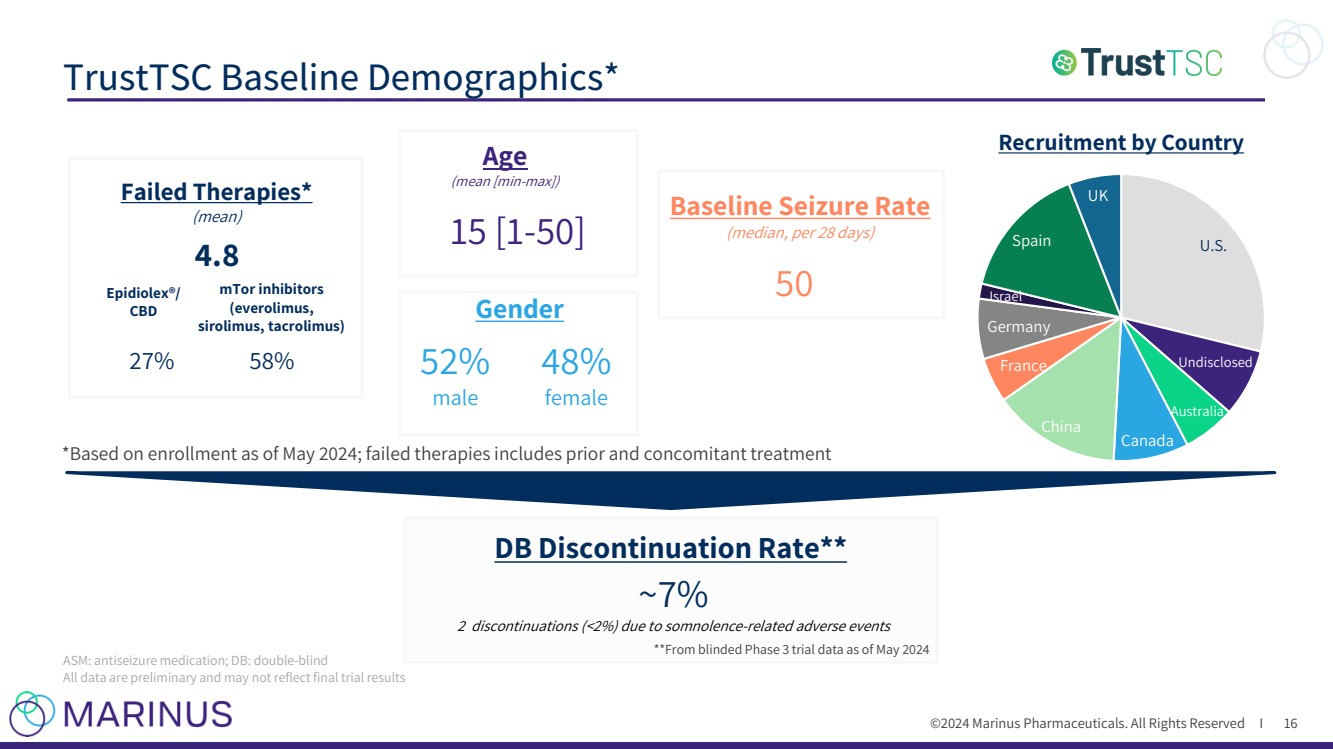
| ©2024 Marinus Pharmaceuticals. All Rights Reserved I TrustTSC Baseline Demographics* 16 Age (mean [min-max]) 15 [1-50] Gender 52% male 48% female Failed Therapies* (mean) 4.8 Baseline Seizure Rate (median, per 28 days) 50 DB Discontinuation Rate** ~7% 2 discontinuations (<2%) due to somnolence-related adverse events **From blinded Phase 3 trial data as of May 2024 U.S. Undisclosed Australia Canada China France Germany Israel Spain UK Recruitment by Country Epidiolex®/ CBD mTor inhibitors (everolimus, sirolimus, tacrolimus) 27% 58% ASM: antiseizure medication; DB: double-blind All data are preliminary and may not reflect final trial results *Based on enrollment as of May 2024; failed therapies includes prior and concomitant treatment |
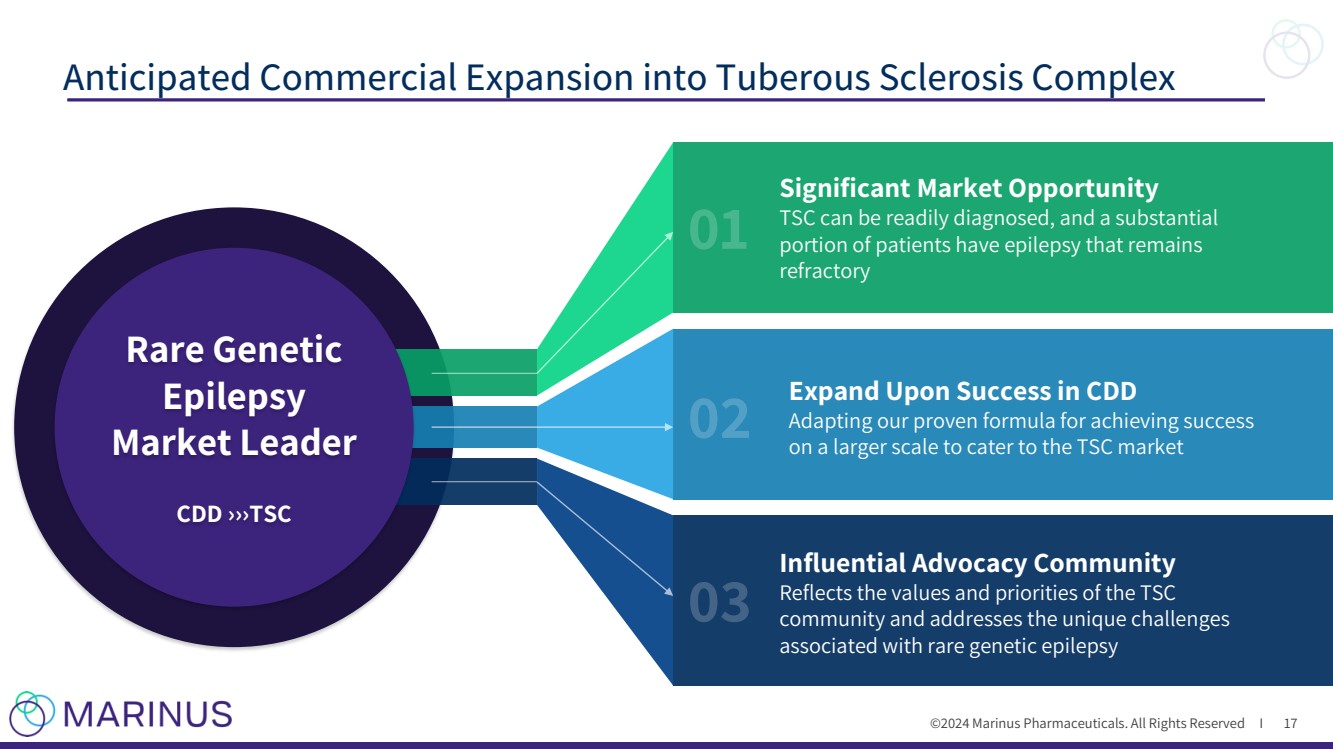
| ©2024 Marinus Pharmaceuticals. All Rights Reserved I 17 Influential Advocacy Community Reflects the values and priorities of the TSC community and addresses the unique challenges associated with rare genetic epilepsy Significant Market Opportunity TSC can be readily diagnosed, and a substantial portion of patients have epilepsy that remains refractory Expand Upon Success in CDD Adapting our proven formula for achieving success on a larger scale to cater to the TSC market Rare Genetic Epilepsy Market Leader CDD ›››TSC Anticipated Commercial Expansion into Tuberous Sclerosis Complex 17 |
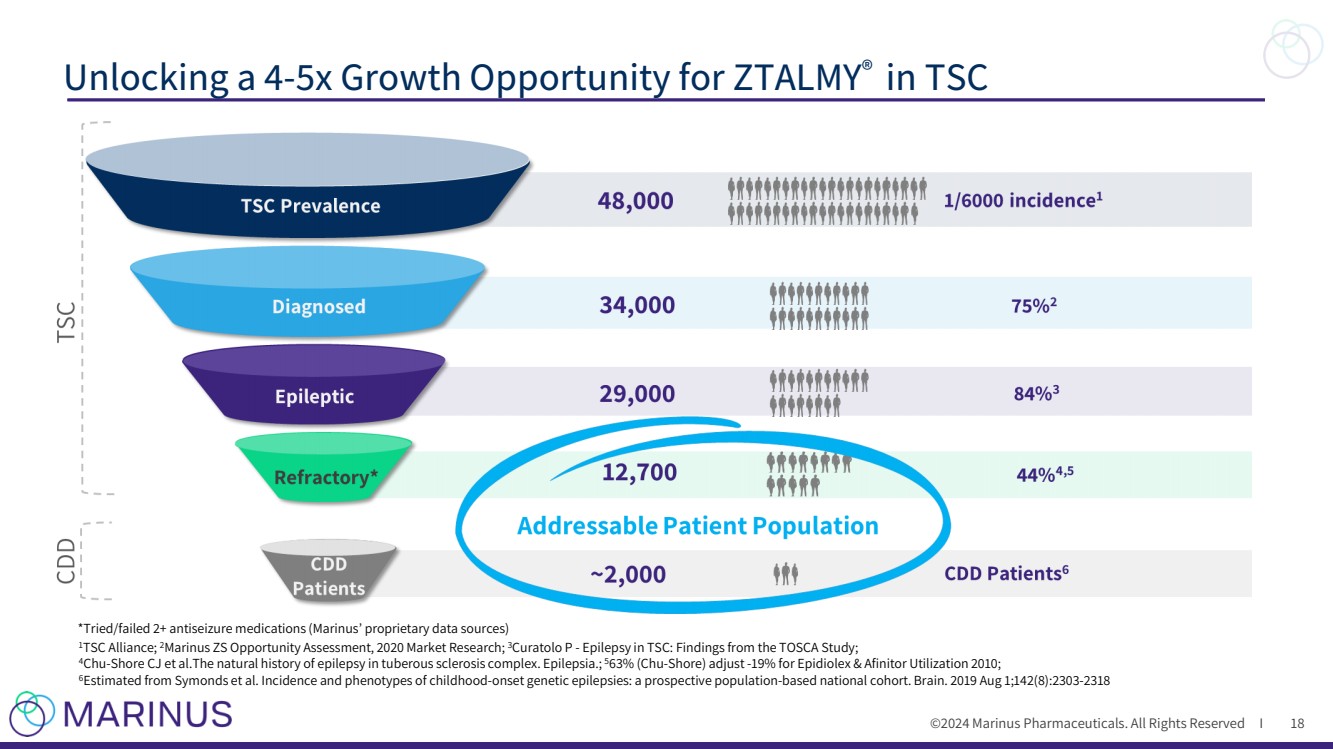
| ©2024 Marinus Pharmaceuticals. All Rights Reserved I Unlocking a 4-5x Growth Opportunity for ZTALMY® in TSC 18 1TSC Alliance; 2Marinus ZS Opportunity Assessment, 2020 Market Research; 3Curatolo P - Epilepsy in TSC: Findings from the TOSCA Study; 4Chu-Shore CJ et al.The natural history of epilepsy in tuberous sclerosis complex. Epilepsia.; 563% (Chu-Shore) adjust -19% for Epidiolex & Afinitor Utilization 2010; 6Estimated from Symonds et al. Incidence and phenotypes of childhood-onset genetic epilepsies: a prospective population-based national cohort. Brain. 2019 Aug 1;142(8):2303-2318 *Tried/failed 2+ antiseizure medications (Marinus’ proprietary data sources) 18 |
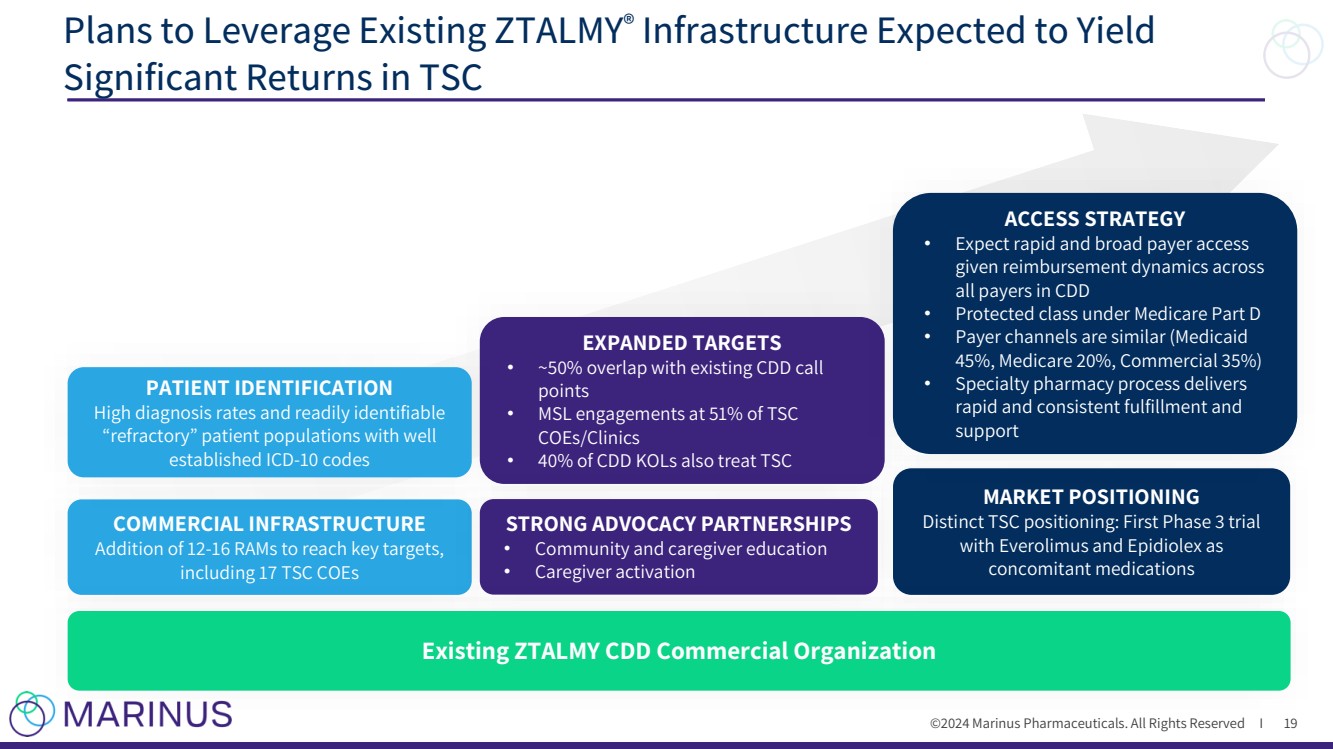
| ©2024 Marinus Pharmaceuticals. All Rights Reserved I Plans to Leverage Existing ZTALMY® Infrastructure Expected to Yield Significant Returns in TSC 19 19 COMMERCIAL INFRASTRUCTURE Addition of 12-16 RAMs to reach key targets, including 17 TSC COEs MARKET POSITIONING Distinct TSC positioning: First Phase 3 trial with Everolimus and Epidiolex as concomitant medications EXPANDED TARGETS • ~50% overlap with existing CDD call points • MSL engagements at 51% of TSC COEs/Clinics • 40% of CDD KOLs also treat TSC ACCESS STRATEGY • Expect rapid and broad payer access given reimbursement dynamics across all payers in CDD • Protected class under Medicare Part D • Payer channels are similar (Medicaid 45%, Medicare 20%, Commercial 35%) • Specialty pharmacy process delivers rapid and consistent fulfillment and support STRONG ADVOCACY PARTNERSHIPS • Community and caregiver education • Caregiver activation Existing ZTALMY CDD Commercial Organization PATIENT IDENTIFICATION High diagnosis rates and readily identifiable “refractory” patient populations with well established ICD-10 codes |
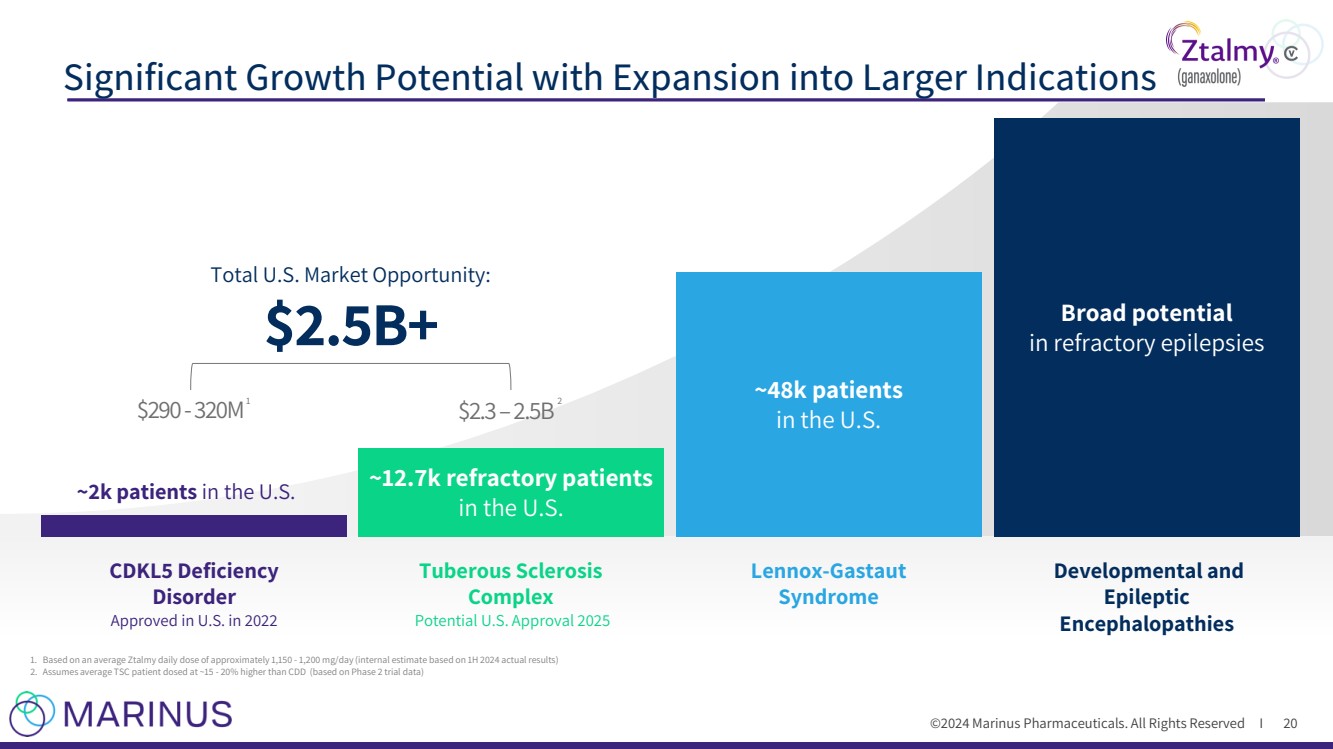
| ©2024 Marinus Pharmaceuticals. All Rights Reserved I Significant Growth Potential with Expansion into Larger Indications 20 ~12.7k refractory patients in the U.S. ~48k patients in the U.S. ~2k patients in the U.S. CDKL5 Deficiency Disorder Approved in U.S. in 2022 Tuberous Sclerosis Complex Potential U.S. Approval 2025 Lennox-Gastaut Syndrome Broad potential in refractory epilepsies Developmental and Epileptic Encephalopathies $290 -320M 1 1. Based on an average Ztalmy daily dose of approximately 1,150 - 1,200 mg/day (internal estimate based on 1H 2024 actual results) 2. Assumes average TSC patient dosed at ~15 - 20% higher than CDD (based on Phase 2 trial data) $2.3 –2.5B 2 Total U.S. Market Opportunity: $2.5B+ |
| Second Generation Product Development |

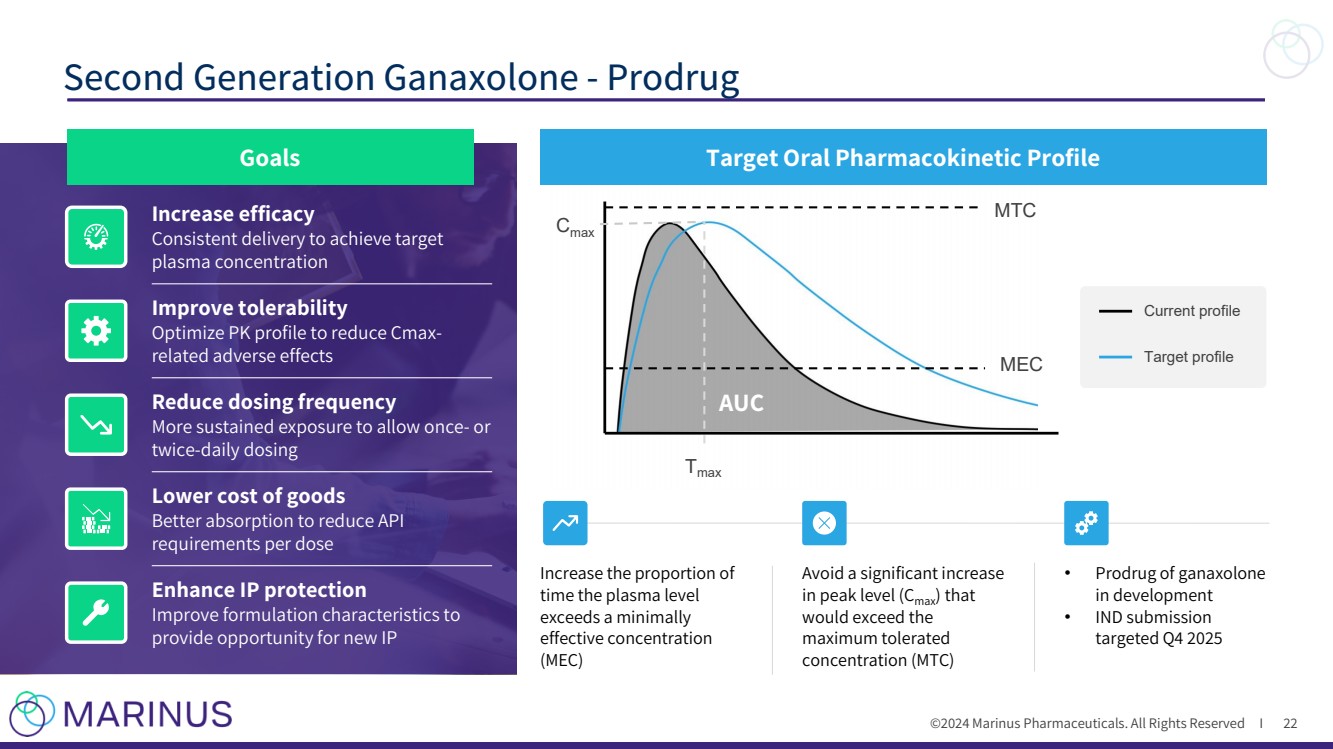
| ©2024 Marinus Pharmaceuticals. All Rights Reserved I Second Generation Ganaxolone - Prodrug 22 Goals Target Oral Pharmacokinetic Profile Increase efficacy Consistent delivery to achieve target plasma concentration Improve tolerability Optimize PK profile to reduce Cmax-related adverse effects Reduce dosing frequency More sustained exposure to allow once- or twice-daily dosing Lower cost of goods Better absorption to reduce API requirements per dose Enhance IP protection Improve formulation characteristics to provide opportunity for new IP AUC Cmax Tmax MEC MTC Current profile Target profile Increase the proportion of time the plasma level exceeds a minimally effective concentration (MEC) Avoid a significant increase in peak level (Cmax) that would exceed the maximum tolerated concentration (MTC) • Prodrug of ganaxolone in development • IND submission targeted Q4 2025 |
| Status Epilepticus |
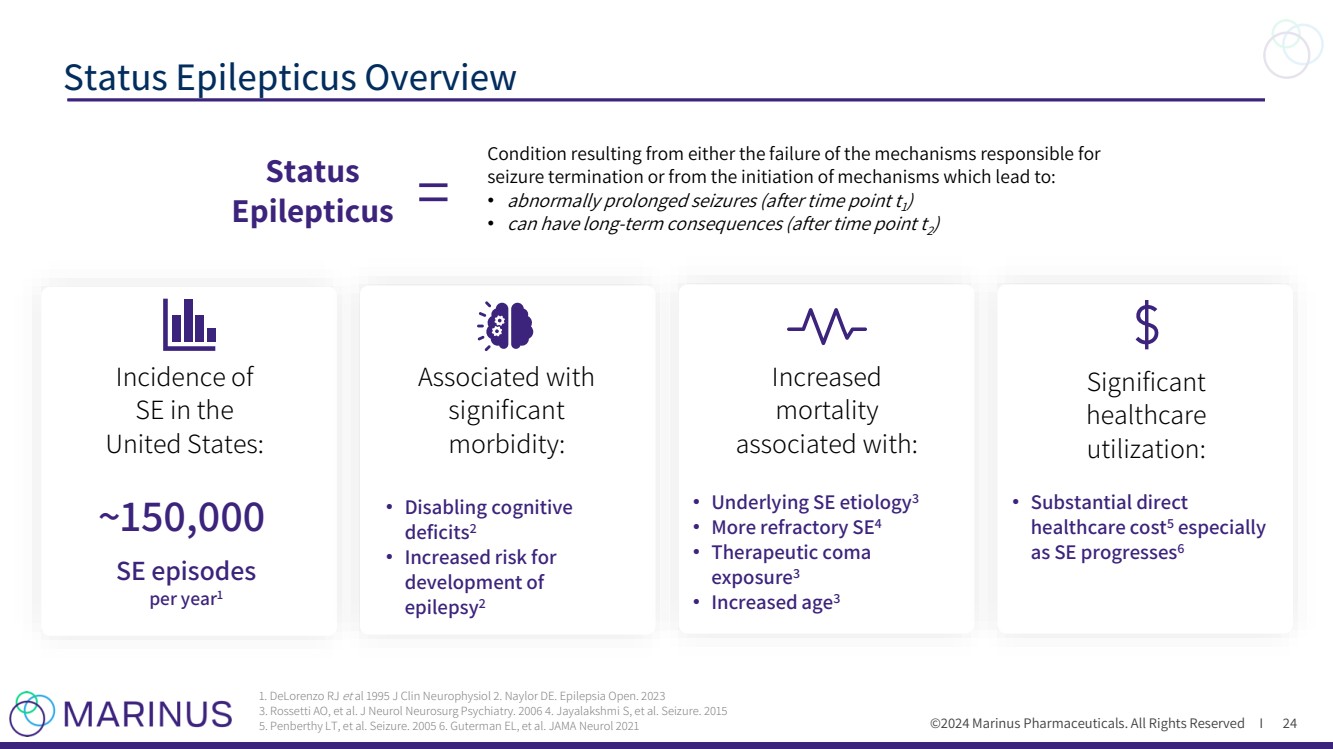
| ©2024 Marinus Pharmaceuticals. All Rights Reserved I Status Epilepticus Overview 24 Status Epilepticus = Condition resulting from either the failure of the mechanisms responsible for seizure termination or from the initiation of mechanisms which lead to: • abnormally prolonged seizures (after time point t 1 ) • can have long-term consequences (after time point t2 ) 1. DeLorenzo RJ et al 1995 J Clin Neurophysiol 2. Naylor DE. Epilepsia Open. 2023 3. Rossetti AO, et al. J Neurol Neurosurg Psychiatry. 2006 4. Jayalakshmi S, et al. Seizure. 2015 5. Penberthy LT, et al. Seizure. 2005 6. Guterman EL, et al. JAMA Neurol 2021 • Disabling cognitive deficits3 • 2.9x increased risk for development of epilepsy3 Associated with significant morbidity: • Underlying SE etiology3 • More refractory SE4 • Therapeutic coma exposure3 • Increased age3 • Substantial direct healthcare cost5 especially as SE progresses6 Incidence of SE in the United States: ~150,000 SE episodes per year1 • Disabling cognitive deficits2 • Increased risk for development of epilepsy2 Increased mortality associated with: Significant healthcare utilization: |
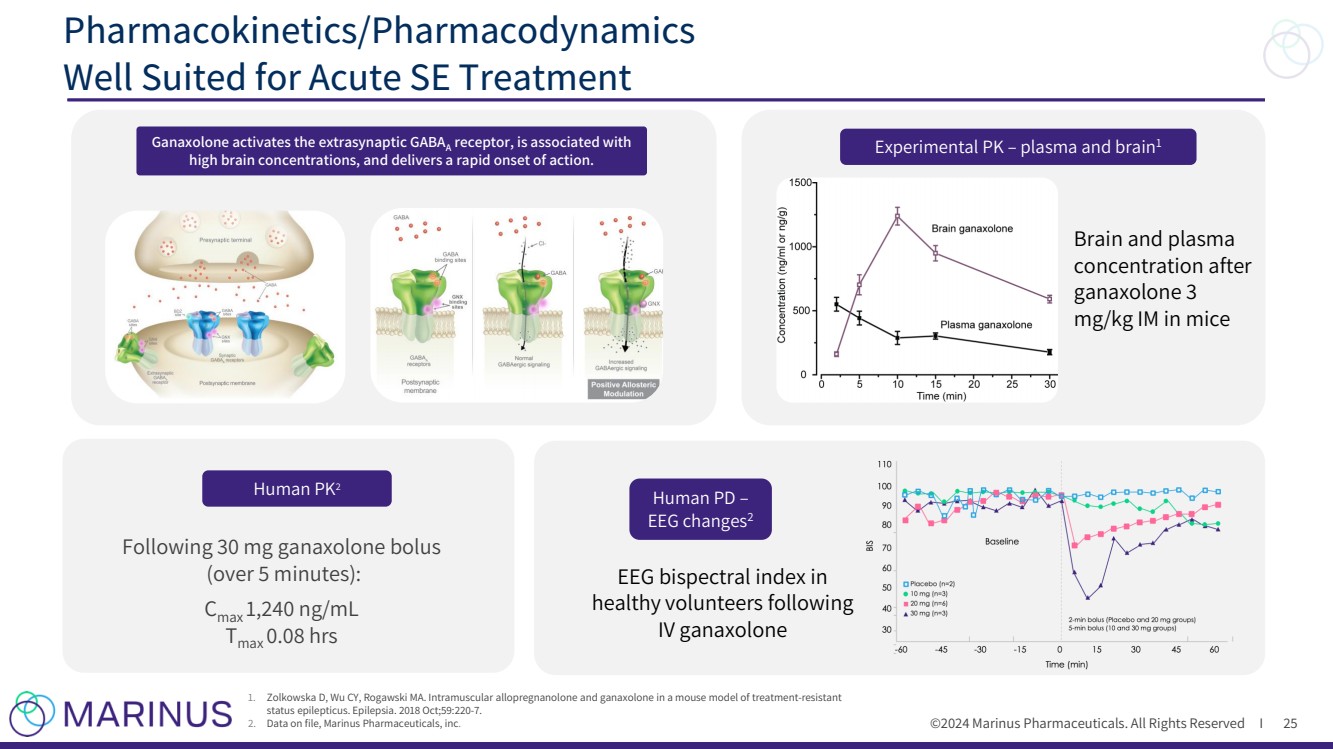
| ©2024 Marinus Pharmaceuticals. All Rights Reserved I Pharmacokinetics/Pharmacodynamics Well Suited for Acute SE Treatment 25 Experimental PK – plasma and brain1 Brain and plasma concentration after ganaxolone 3 mg/kg IM in mice Human PD – EEG changes2 EEG bispectral index in healthy volunteers following IV ganaxolone 1. Zolkowska D, Wu CY, Rogawski MA. Intramuscular allopregnanolone and ganaxolone in a mouse model of treatment‐resistant status epilepticus. Epilepsia. 2018 Oct;59:220-7. 2. Data on file, Marinus Pharmaceuticals, inc. Human PK2 Following 30 mg ganaxolone bolus (over 5 minutes): Cmax 1,240 ng/mL Tmax 0.08 hrs Ganaxolone activates the extrasynaptic GABAA receptor, is associated with high brain concentrations, and delivers a rapid onset of action. |
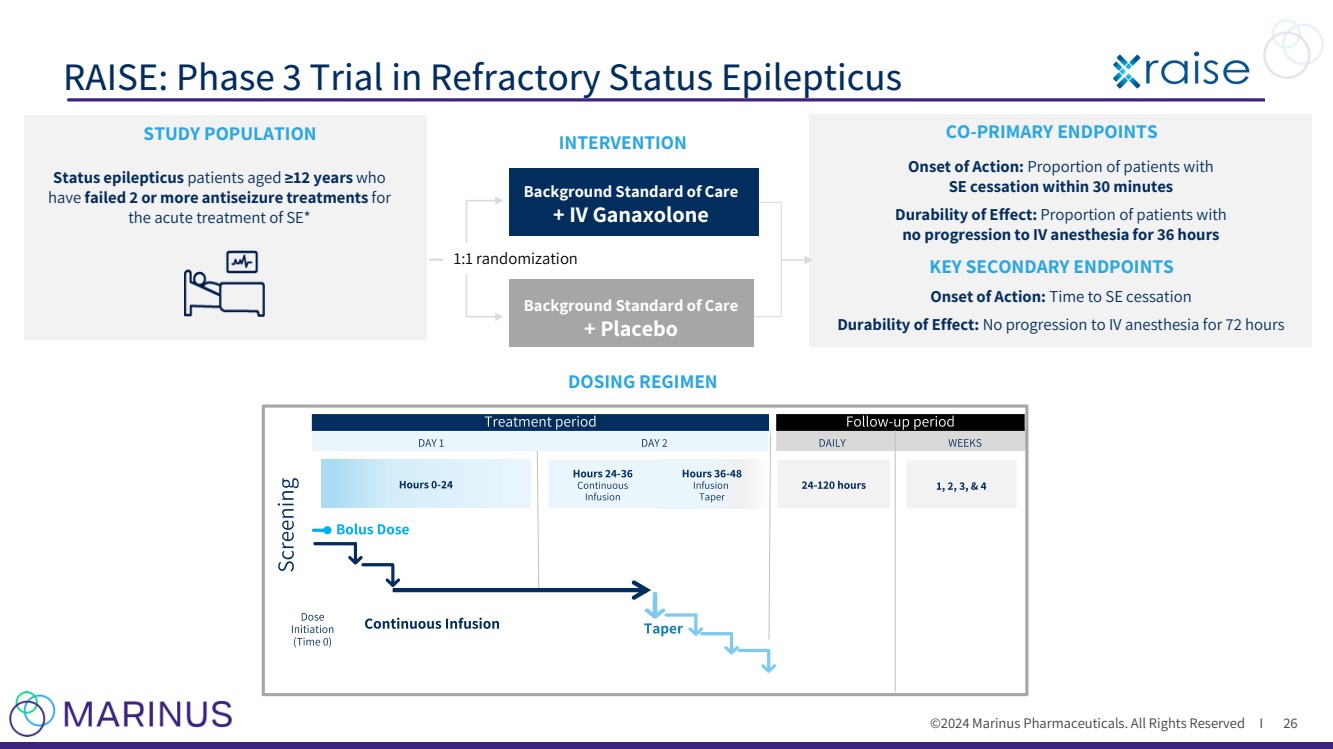
| ©2024 Marinus Pharmaceuticals. All Rights Reserved I RAISE: Phase 3 Trial in Refractory Status Epilepticus 26 STUDY POPULATION INTERVENTION CO-PRIMARY ENDPOINTS KEY SECONDARY ENDPOINTS Onset of Action: Proportion of patients with SE cessation within 30 minutes Durability of Effect: Proportion of patients with no progression to IV anesthesia for 36 hours Onset of Action: Time to SE cessation Durability of Effect: No progression to IV anesthesia for 72 hours Status epilepticus patients aged ≥12 years who have failed 2 or more antiseizure treatments for the acute treatment of SE* Background Standard of Care + IV Ganaxolone 1:1 randomization Background Standard of Care + Placebo DOSING REGIMEN |
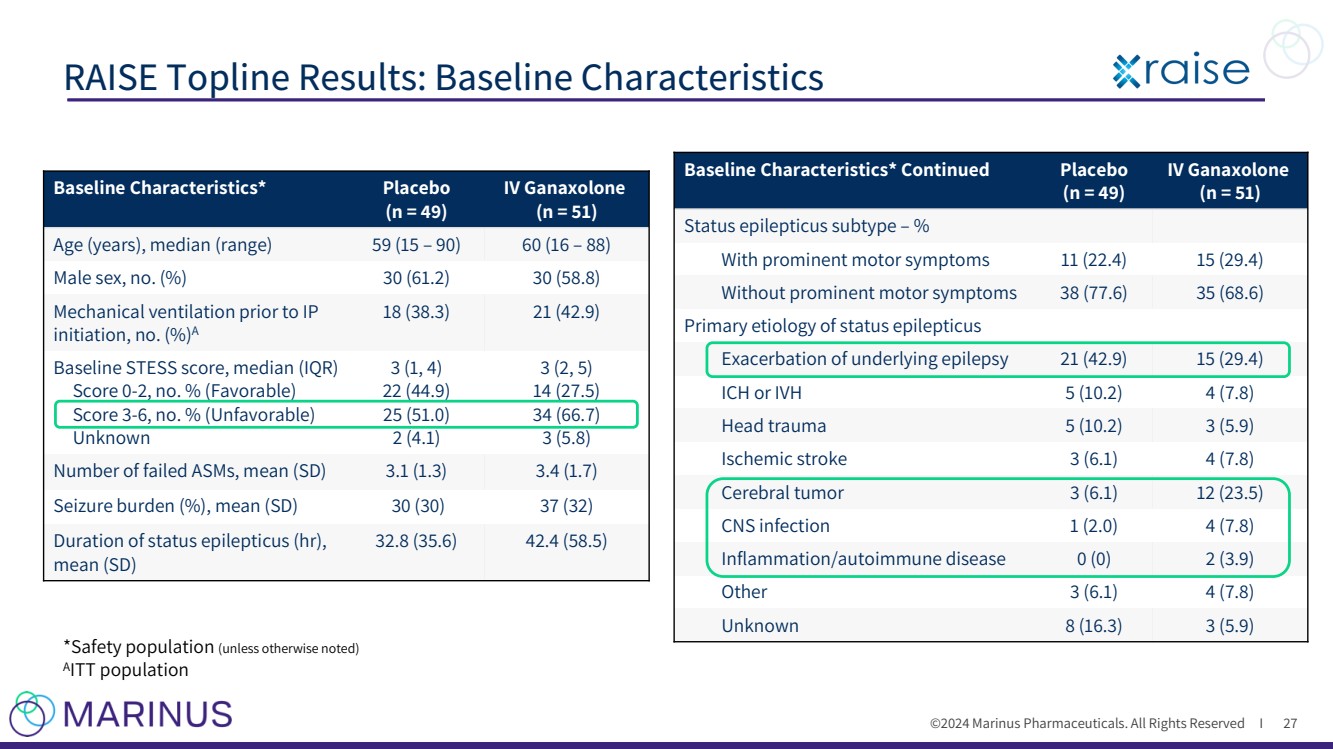
| ©2024 Marinus Pharmaceuticals. All Rights Reserved I RAISE Topline Results: Baseline Characteristics 27 *Safety population (unless otherwise noted) A ITT population Baseline Characteristics* Placebo (n = 49) IV Ganaxolone (n = 51) Age (years), median (range) 59 (15 – 90) 60 (16 – 88) Male sex, no. (%) 30 (61.2) 30 (58.8) Mechanical ventilation prior to IP initiation, no. (%)A 18 (38.3) 21 (42.9) Baseline STESS score, median (IQR) Score 0-2, no. % (Favorable) Score 3-6, no. % (Unfavorable) Unknown 3 (1, 4) 22 (44.9) 25 (51.0) 2 (4.1) 3 (2, 5) 14 (27.5) 34 (66.7) 3 (5.8) Number of failed ASMs, mean (SD) 3.1 (1.3) 3.4 (1.7) Seizure burden (%), mean (SD) 30 (30) 37 (32) Duration of status epilepticus (hr), mean (SD) 32.8 (35.6) 42.4 (58.5) Baseline Characteristics* Continued Placebo (n = 49) IV Ganaxolone (n = 51) Status epilepticus subtype – % With prominent motor symptoms 11 (22.4) 15 (29.4) Without prominent motor symptoms 38 (77.6) 35 (68.6) Primary etiology of status epilepticus Exacerbation of underlying epilepsy 21 (42.9) 15 (29.4) ICH or IVH 5 (10.2) 4 (7.8) Head trauma 5 (10.2) 3 (5.9) Ischemic stroke 3 (6.1) 4 (7.8) Cerebral tumor 3 (6.1) 12 (23.5) CNS infection 1 (2.0) 4 (7.8) Inflammation/autoimmune disease 0 (0) 2 (3.9) Other 3 (6.1) 4 (7.8) Unknown 8 (16.3) 3 (5.9) |
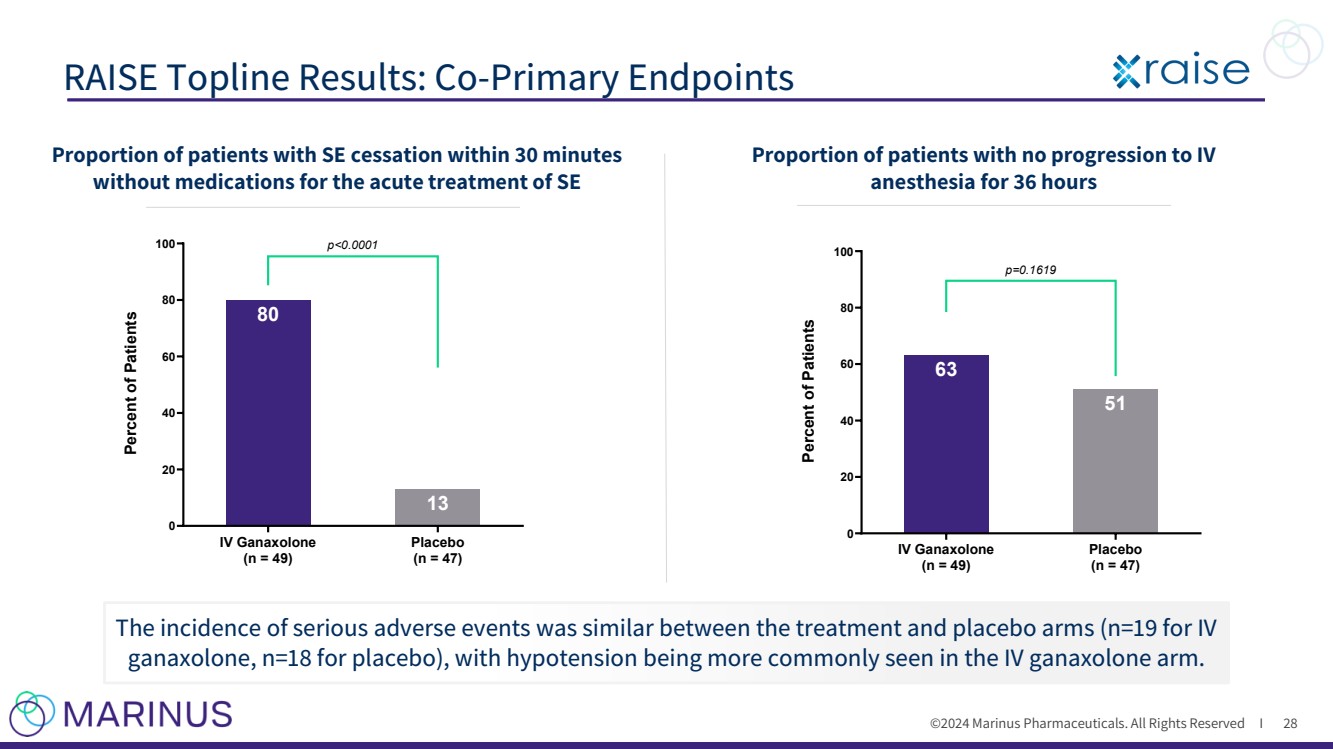
| ©2024 Marinus Pharmaceuticals. All Rights Reserved I RAISE Topline Results: Co-Primary Endpoints 28 Proportion of patients with no progression to IV anesthesia for 36 hours Proportion of patients with SE cessation within 30 minutes without medications for the acute treatment of SE IV Ganaxolone (n = 49) Placebo (n = 47) 0 20 40 60 80 100 13 80 Percent of Patients p<0.0001 IV Ganaxolone (n = 49) Placebo (n = 47) 0 20 40 60 80 100 51 63 Percent of Patients p=0.1619 The incidence of serious adverse events was similar between the treatment and placebo arms (n=19 for IV ganaxolone, n=18 for placebo), with hypotension being more commonly seen in the IV ganaxolone arm. |
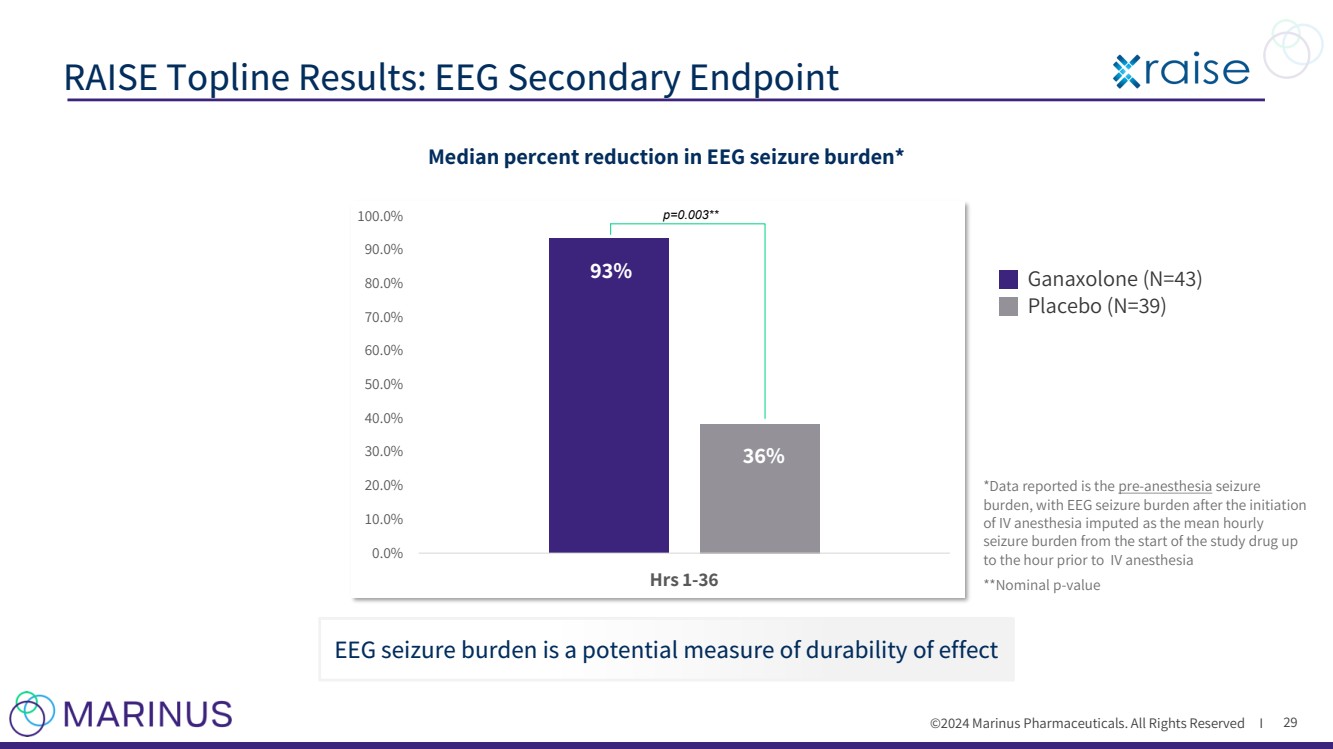
| ©2024 Marinus Pharmaceuticals. All Rights Reserved I RAISE Topline Results: EEG Secondary Endpoint 29 Median percent reduction in EEG seizure burden* Ganaxolone (N=43) Placebo (N=39) EEG seizure burden is a potential measure of durability of effect *Data reported is the pre-anesthesia seizure burden, with EEG seizure burden after the initiation of IV anesthesia imputed as the mean hourly seizure burden from the start of the study drug up to the hour prior to IV anesthesia 93% 36% 0.0% 10.0% 20.0% 30.0% 40.0% 50.0% 60.0% 70.0% 80.0% 90.0% 100.0% Hrs 1-36 p=0.003** **Nominal p-value |
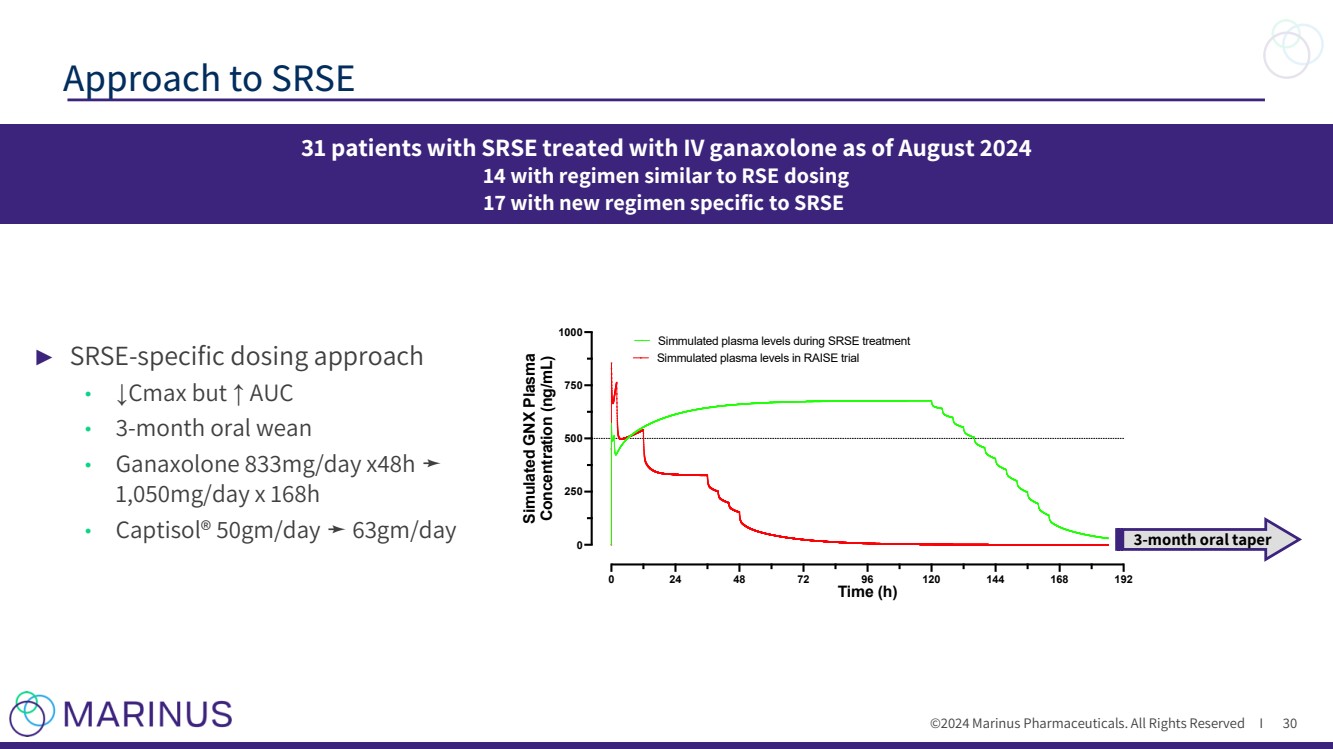
| ©2024 Marinus Pharmaceuticals. All Rights Reserved I ► SRSE-specific dosing approach • ↓Cmax but ↑ AUC • 3-month oral wean • Ganaxolone 833mg/day x48h ➛ 1,050mg/day x 168h • Captisol® 50gm/day ➛ 63gm/day Approach to SRSE 30 31 patients with SRSE treated with IV ganaxolone as of August 2024 14 with regimen similar to RSE dosing 17 with new regimen specific to SRSE 0 24 48 72 96 120 144 168 192 0 250 500 750 1000 Time (h) Simulated GNX Plasma Concentration (ng/mL) Simmulated plasma levels during SRSE treatment Simmulated plasma levels in RAISE trial 3-month oral taper |
| Financial Update |

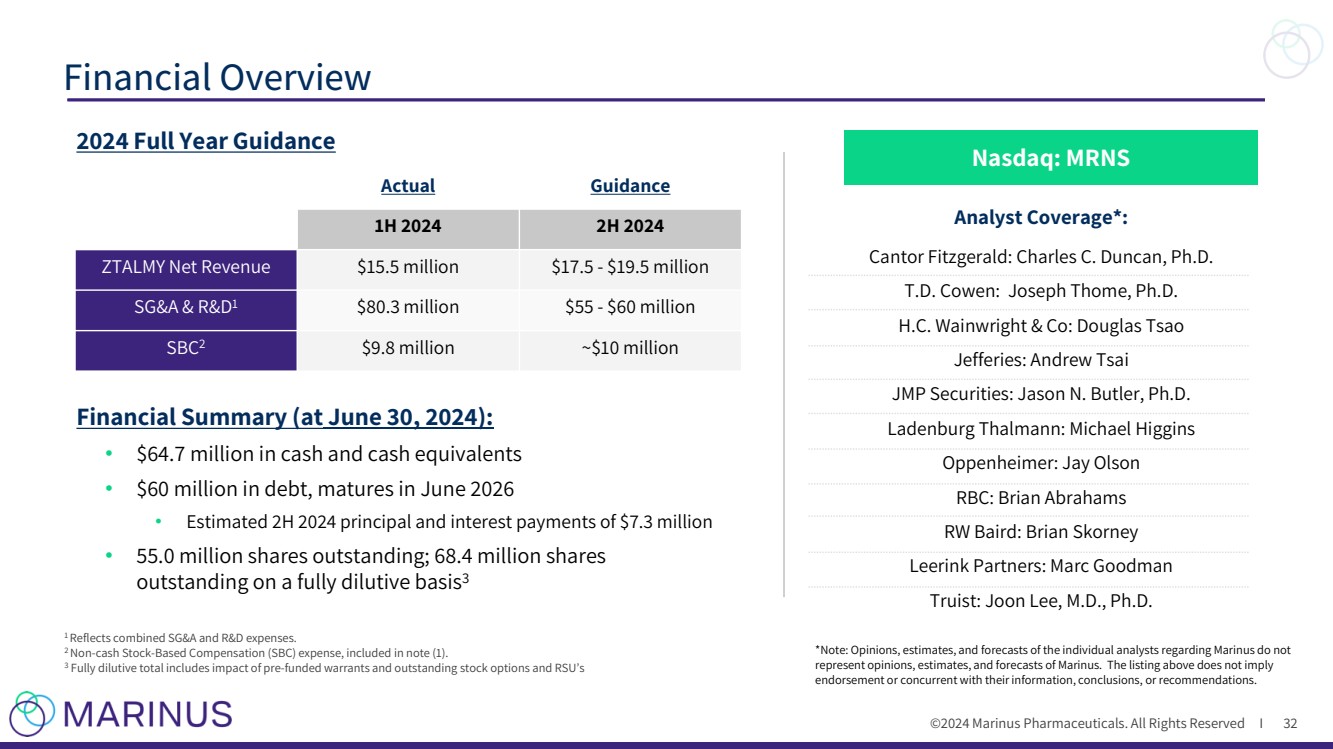
| ©2024 Marinus Pharmaceuticals. All Rights Reserved I Financial Overview 32 Analyst Coverage*: Cantor Fitzgerald: Charles C. Duncan, Ph.D. T.D. Cowen: Joseph Thome, Ph.D. H.C. Wainwright & Co: Douglas Tsao Jefferies: Andrew Tsai JMP Securities: Jason N. Butler, Ph.D. Ladenburg Thalmann: Michael Higgins Oppenheimer: Jay Olson RBC: Brian Abrahams RW Baird: Brian Skorney Leerink Partners: Marc Goodman Truist: Joon Lee, M.D., Ph.D. *Note: Opinions, estimates, and forecasts of the individual analysts regarding Marinus do not represent opinions, estimates, and forecasts of Marinus. The listing above does not imply endorsement or concurrent with their information, conclusions, or recommendations. Nasdaq: MRNS 2024 Full Year Guidance Financial Summary (at June 30, 2024): • $64.7 million in cash and cash equivalents • $60 million in debt, matures in June 2026 • Estimated 2H 2024 principal and interest payments of $7.3 million • 55.0 million shares outstanding; 68.4 million shares outstanding on a fully dilutive basis3 1 Reflects combined SG&A and R&D expenses. 2 Non-cash Stock-Based Compensation (SBC) expense, included in note (1). 3 Fully dilutive total includes impact of pre-funded warrants and outstanding stock options and RSU’s Actual Guidance 1H 2024 2H 2024 ZTALMY Net Revenue $15.5 million $17.5 - $19.5 million SG&A & R&D1 $80.3 million $55 - $60 million SBC2 $9.8 million ~$10 million |
| Intellectual Property |

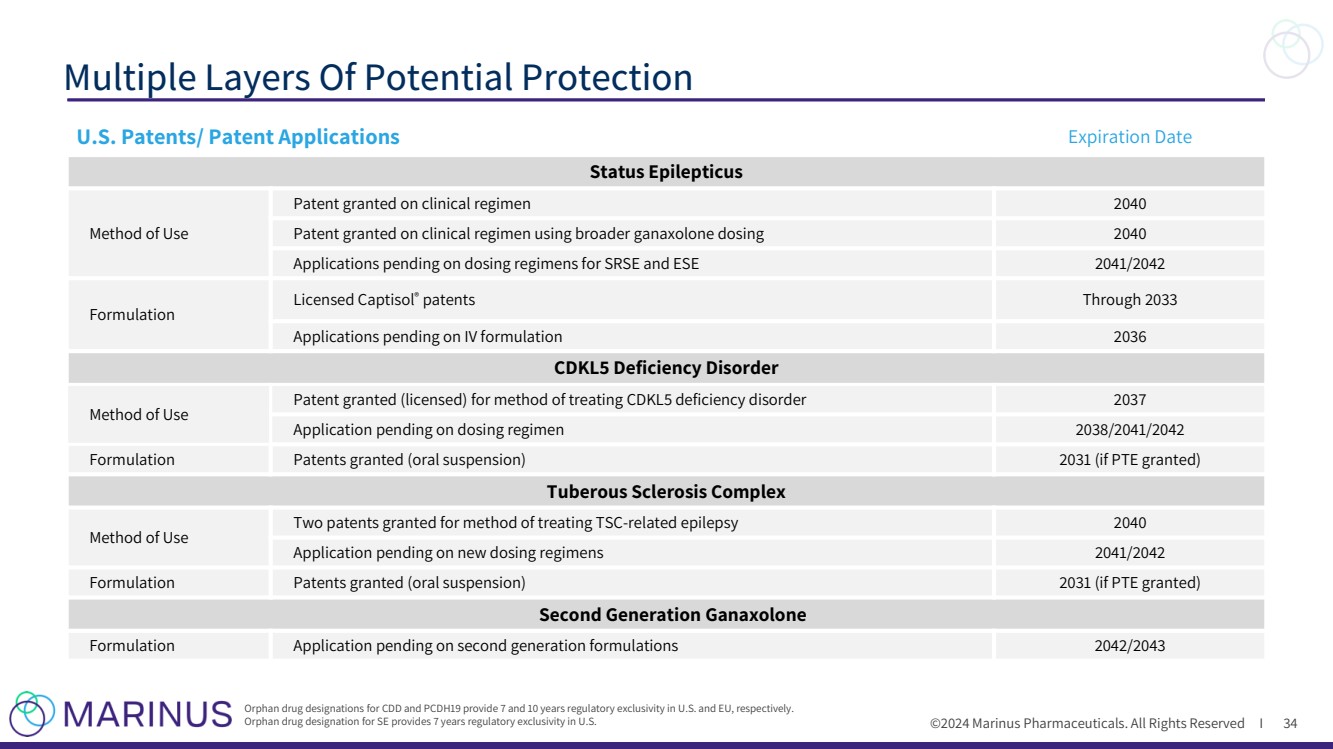
| ©2024 Marinus Pharmaceuticals. All Rights Reserved I Multiple Layers Of Potential Protection 34 Orphan drug designations for CDD and PCDH19 provide 7 and 10 years regulatory exclusivity in U.S. and EU, respectively. Orphan drug designation for SE provides 7 years regulatory exclusivity in U.S. U.S. Patents/ Patent Applications Expiration Date Status Epilepticus Method of Use Patent granted on clinical regimen 2040 Patent granted on clinical regimen using broader ganaxolone dosing 2040 Applications pending on dosing regimens for SRSE and ESE 2041/2042 Formulation Licensed Captisol® patents Through 2033 Applications pending on IV formulation 2036 CDKL5 Deficiency Disorder Method of Use Patent granted (licensed) for method of treating CDKL5 deficiency disorder 2037 Application pending on dosing regimen 2038/2041/2042 Formulation Patents granted (oral suspension) 2031 (if PTE granted) Tuberous Sclerosis Complex Method of Use Two patents granted for method of treating TSC-related epilepsy 2040 Application pending on new dosing regimens 2041/2042 Formulation Patents granted (oral suspension) 2031 (if PTE granted) Second Generation Ganaxolone Formulation Application pending on second generation formulations 2042/2043 |
| Appendix |
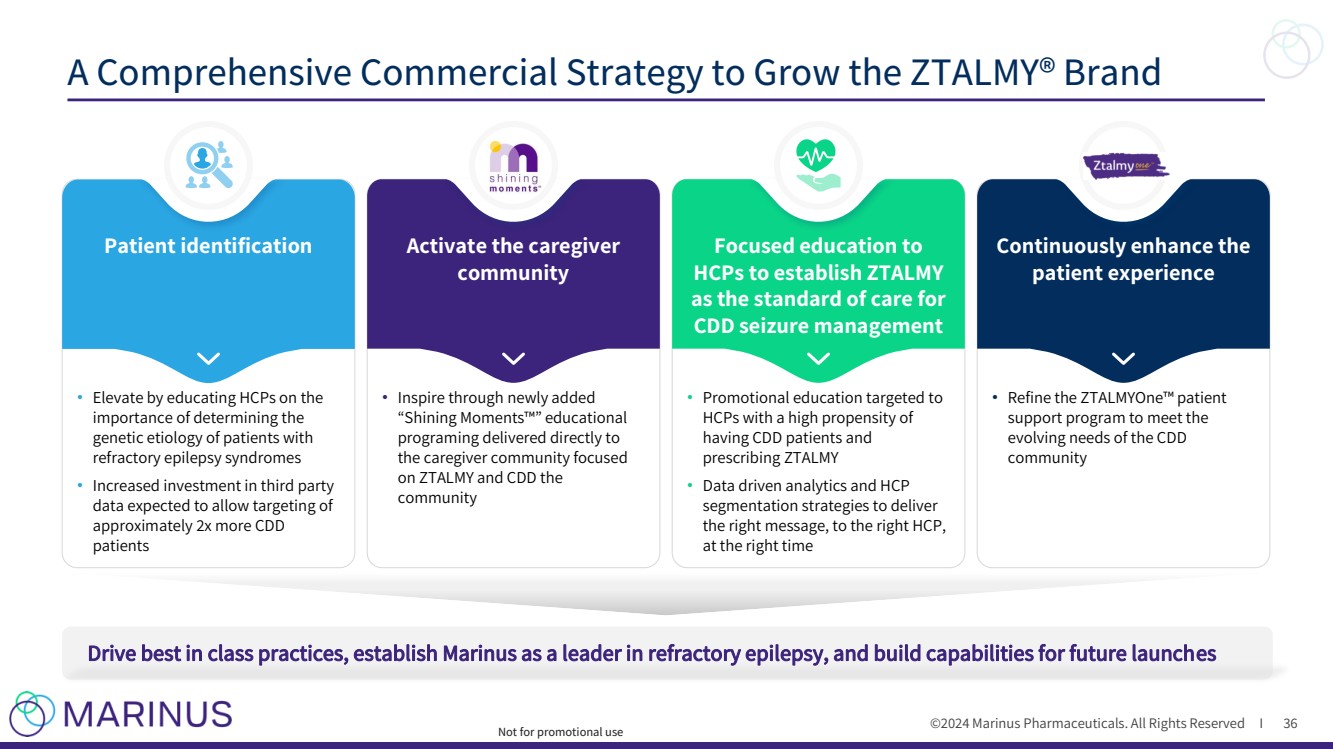
| ©2024 Marinus Pharmaceuticals. All Rights Reserved I A Comprehensive Commercial Strategy to Grow the ZTALMY® Brand 36 Patient identification Activate the caregiver community Focused education to HCPs to establish ZTALMY as the standard of care for CDD seizure management Continuously enhance the patient experience • Elevate by educating HCPs on the importance of determining the genetic etiology of patients with refractory epilepsy syndromes • Increased investment in third party data expected to allow targeting of approximately 2x more CDD patients • Inspire through newly added “Shining Moments ” educational programing delivered directly to the caregiver community focused on ZTALMY and CDD the community • Promotional education targeted to HCPs with a high propensity of having CDD patients and prescribing ZTALMY • Data driven analytics and HCP segmentation strategies to deliver the right message, to the right HCP, at the right time • Refine the ZTALMYOne patient support program to meet the evolving needs of the CDD community Drive best in class practices, establish Marinus as a leader in refractory epilepsy, and build capabilities for future launches Not for promotional use |
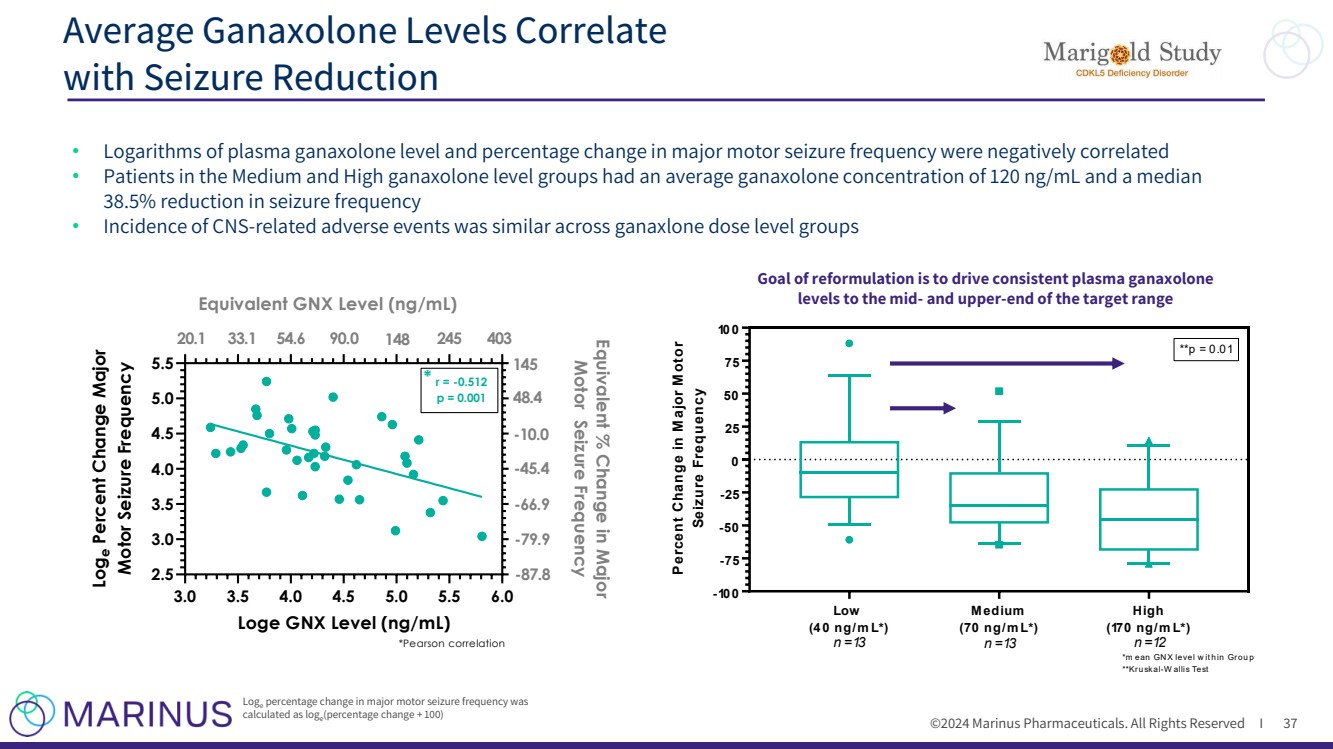
| ©2024 Marinus Pharmaceuticals. All Rights Reserved I Average Ganaxolone Levels Correlate with Seizure Reduction 37 • Logarithms of plasma ganaxolone level and percentage change in major motor seizure frequency were negatively correlated • Patients in the Medium and High ganaxolone level groups had an average ganaxolone concentration of 120 ng/mL and a median 38.5% reduction in seizure frequency • Incidence of CNS-related adverse events was similar across ganaxlone dose level groups Loge percentage change in major motor seizure frequency was calculated as loge (percentage change + 100) 3.0 3.5 4.0 4.5 5.0 5.5 6.0 2.5 3.0 3.5 4.0 4.5 5.0 5.5 Loge GNX Level (ng/mL) Loge Percent Change Major Motor Seizure Frequency Equivalent % Change in Major Motor Seizure Frequency r = -0.512 p = 0.001 *Pearson correlation * 145 48.4 -10.0 -45.4 -66.9 -79.9 -87.8 Equivalent GNX Level (ng/mL) 20.1 33.1 54.6 90.0 148 245 403 Low (40 ng/m L*) Medium (70 ng/m L*) High (170 ng/m L*) -100 -75 -50 -25 0 25 50 75 100 Percent Change in Major Motor Seizure Frequency **p = 0.01 *m ean GNX level w it h in Grou p **Kru skal-W allis Test n =13 n =13 n =12 Goal of reformulation is to drive consistent plasma ganaxolone levels to the mid- and upper-end of the target range |